

Comoros, Djibouti, Somalia and Sudan are among 14 nations that signed the Multinational Maritime Defence Alliance, a partnership that aims to protect sea traffic in the Bab el‑Mandeb Strait, Gulf of Aden and the Red Sea.
Other participating nations are Bahrain, Bangladesh, Egypt, Jordan, Kuwait, Pakistan, Qatar, Saudi Arabia, Türkiye and Yemen. The countries are expected to collaborate on intelligence sharing, joint exercises and coordinated patrols, according to the Africa Ports & Ships digital news publication.
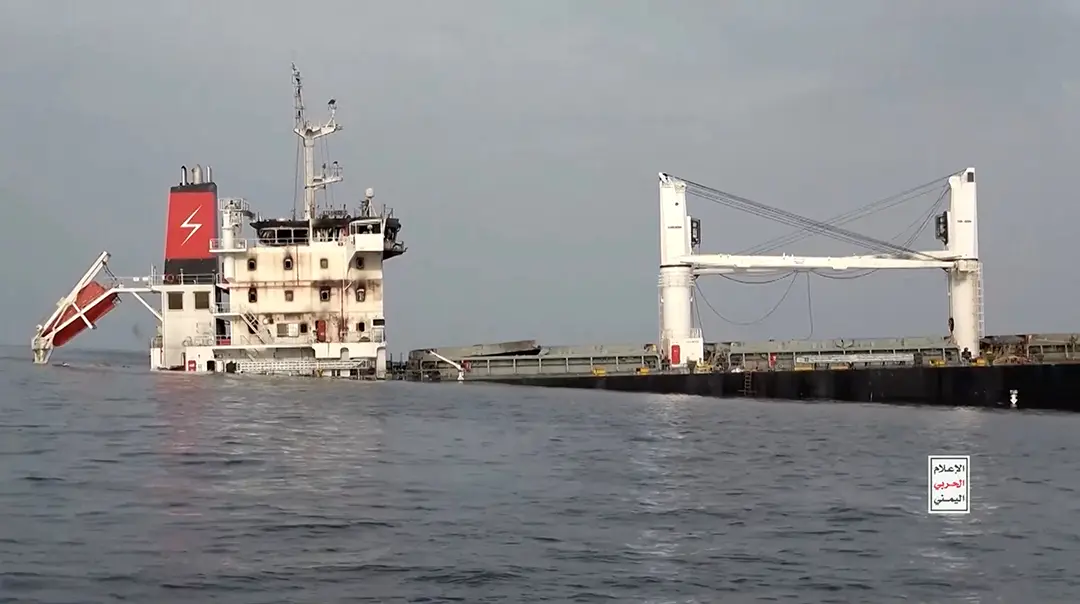
Officials signed the pact in late July amid increasing Somali pirate attacks, ongoing threats from Yemen’s Iran-backed Houthi rebels against Saudi‑linked shipping and other regional unrest. Between April and July 2026, the United Nations’ International Maritime Bureau recorded 24 attempted and actual incidents of piracy and armed robbery against ships in the Red Sea and Gulf of Aden.
Conditions are complicated by a growing accord between al-Shabaab, the Somali terror group, and Yemen’s Houthi rebels. The budding relationship has resulted in pirate groups using more sophisticated Houthi-supplied technology, including GPS satellite devices that let pirates track commercial vessels. A recent report by the Century International think tank says al-Shabaab also seeks Houthi drones and anti-aircraft weapons.
Omar Mahmood, senior researcher on Somalia and the Horn of Africa at the International Crisis Group, said Houthi drone capabilities could give al-Shabaab an advantage over government forces. Although the terror group mostly is concentrated in southern Somalia, far from the Gulf of Aden, Houthi technology could amplify its lesser presence in the northern Sanaag mountains, Mahmood told The Africa Report magazine.
“It is possible they could acquire Houthi technology and use that area as a base to launch threats to Gulf of Aden shipping,” Mahmood said. “But they would likely need to further expand and stabilize their position in order to pose a sustained threat.”
Gulf analyst Alex Jalil told the magazine that it would be more significant if al-Shabaab acquired the knowledge to modify, assemble and manufacture drones locally.
“Transferring knowledge is ultimately much harder to reverse than transferring individual weapons,” Jalil said.
Yemeni Foreign Minister Afrah Al-Zouba said the Houthis are replicating Iran’s Hormuz Strait strategy in the Red Sea by disrupting shipping in the Bab el-Mandeb strait. Houthi threats have persuaded some commercial shipping operators to avoid the area while others take significant precautions in transit. In late July, two tankers carrying Saudi Arabian crude oil to India traveled through the Bab el-Mandeb after switching off their automatic identification systems to avoid detection. This is unusual in commercial shipping due to navigational risks.
“More significantly, reports have emerged that Houthi officials are considering introducing transit charges for commercial vessels using the Bab el-Mandeb,” analysts with Africa Ports & Ships wrote.
Although the number of Somali pirate attacks are rising, the scourge is not as severe as it was during its peak in the 2010s. Maritime security consultant Andrew Mwangura said motives for Somali piracy have shifted.
“Before, the people were vigilantes mainly driven to sea because of illegal fishing in Somali waters and the dumping of toxic chemicals,” Mwangura told Al Jazeera. “Now it is more about seizing ships for ransom.”
Somali pirates in March 2026 released a Chinese vessel taken in January 2026 after receiving up to $1.5 million in ransom.
However, links between illegal fishing and piracy remain. The French Navy’s Maritime Information Cooperation & Awareness Center has reported that Somali pirates operating far offshore typically launch attacks from vessels disguised as fishing boats.
Abdifatah Mohamed Abdinur, state minister of Puntland State House, said the pirates also are linked to other criminal networks in Somalia and Yemen, which facilitates operations closer to the Yemeni coast where successful hijacking rates are higher.
“There is definitely a connection, but we have to put the pieces together to make the big picture clearer,” Abdinur told Al Jazeera.