
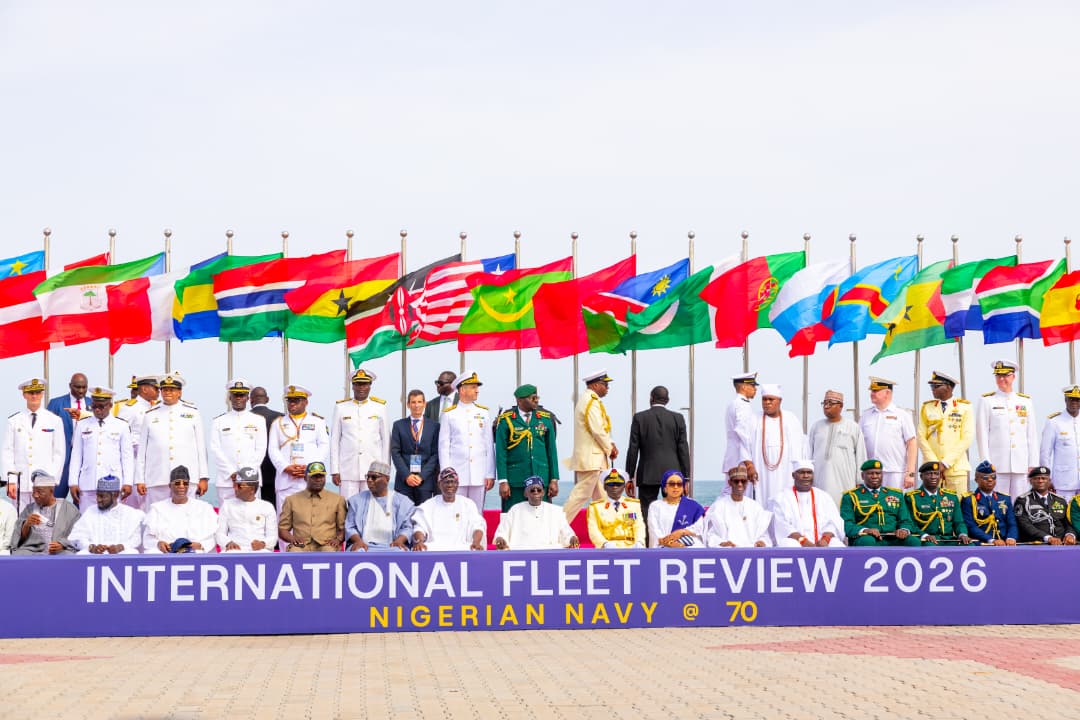
The Nigerian Navy commissioned three new warships on June 1 during its 70th Anniversary International Fleet Review and pledged to build a more technology-driven force to include advanced surveillance systems, drones, and artificial intelligence in its intelligence and rapid-response operations.
AI can improve a navy’s decision-making processes, such as predicting the most fuel-efficient way to operate a vessel. It can be included in a ship’s navigation system, radar operations or threat-detection systems to help operators process information faster. Aerial and surface drones can vastly improve a military’s surveillance capacity.
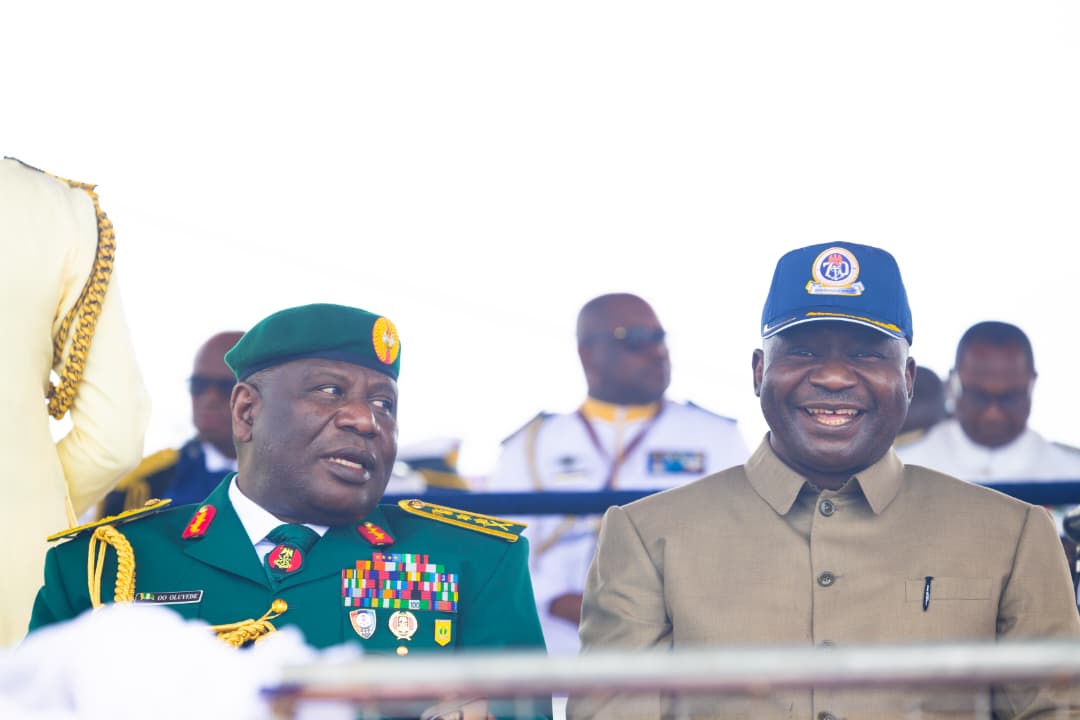
“As we look toward the next decade, under the leadership of the Chief of the Naval Staff, Vice Admiral Idi Abbas, the Nigerian Navy recognizes that the evolving maritime security challenges demand innovative strategies beyond traditional frameworks,” Rear Adm. Akinola Olodude said in a report by the TVC News Nigeria news channel. Olodude added that the Navy also has made recent gains in shipbuilding.
The three new high-speed patrol vessels are meant to prevent maritime threats, patrol the country’s exclusive economic zone, counter piracy and combat crude oil theft across the Gulf of Guinea. Each vessel is 46 meters long and is fitted with remote and manual naval gun stations, heavy machine guns, and automated tracking platforms, Military Africa magazine reported.
In January, the Navy integrated Turkish AYBARS-2 drones into its fleet to improve surveillance. These fixed-wing drones can take off and land vertically, and their cameras are effective day and night. They are considered durable and practical for monitoring areas where illegal oil bunkering and transfers occur, particularly at night, according to the magazine.
In January 2024, Nigeria began deploying two types of U.S.-manufactured unmanned surface vessels (USVs), the S-3 SwiftSea Stalker and the S-2 SwiftSea Stalker. Operators can control these sea drones from shore or sail them semiautonomously, using a programmed course and using a suite of sensors to navigate. Advocates say they can save navies money, time and lives by taking Sailors out of harm’s way during long, dangerous missions.
The launch of the new Combined Maritime Task Force (CMTF), supported by Côte d’Ivoire, The Gambia, Ghana, Liberia, Nigeria and Sierra Leone, also was announced during the fleet review. The CMTF, which will be headquartered in Lagos, covers 26 countries that have more than 6,000 kilometers of coastline, stretching from Angola to Senegal. The region is the world’s hot spot for illegal fishing and faces a litany of other security threats, including oil bunkering, armed robbery, kidnapping, transnational organized crime, terrorism and piracy.
The rapid response force is expected to conduct intelligence collection, interdiction, maritime patrols, surveillance, search and rescue missions, and other maritime security operations.
“The task force is to complement and fill an important gap in the [Yaoundé] architecture, by providing rapid, kinetic, and 24/7 surveillance capabilities,” CMTF Cmdr. Commodore Mohammad Shettima told ISS Today, an Institute for Security Studies publication. The Yaoundé Code of Conduct, enacted in 2013, helps West African navies maintain situational awareness and fight maritime crime in the Gulf of Guinea.
The CMTF is expected to eventually include 1,500 personnel. Its fleet will include air and surface assets, and electronic maritime surveillance capabilities. According to the ISS, Nigeria is the only country to contribute to the fleet, including one helicopter, two vans, two pickup trucks, three ships and three military trucks.
During the fleet review, Nigerian President Bola Ahmed Tinubu said the Navy and its Special Boat Service, a maritime special forces unit, have improved security and oil production, boosting national revenue.
“Beyond the maritime domain, I also commend the Nigerian Navy for its contributions to counterterrorism and counterinsurgency operations across the country,” Tinubu said in a report by Military Africa magazine. “The courage and professionalism demonstrated by the Special Boat Service in executing complex missions are truly commendable.”
The Navy also has helped curb pirate attacks. Between January and September 2025, 15 piracy incidents were reported in the Gulf of Guinea. However, only one low-level theft incident was reported in the first quarter of 2026, the International Chamber of Commerce reported.