

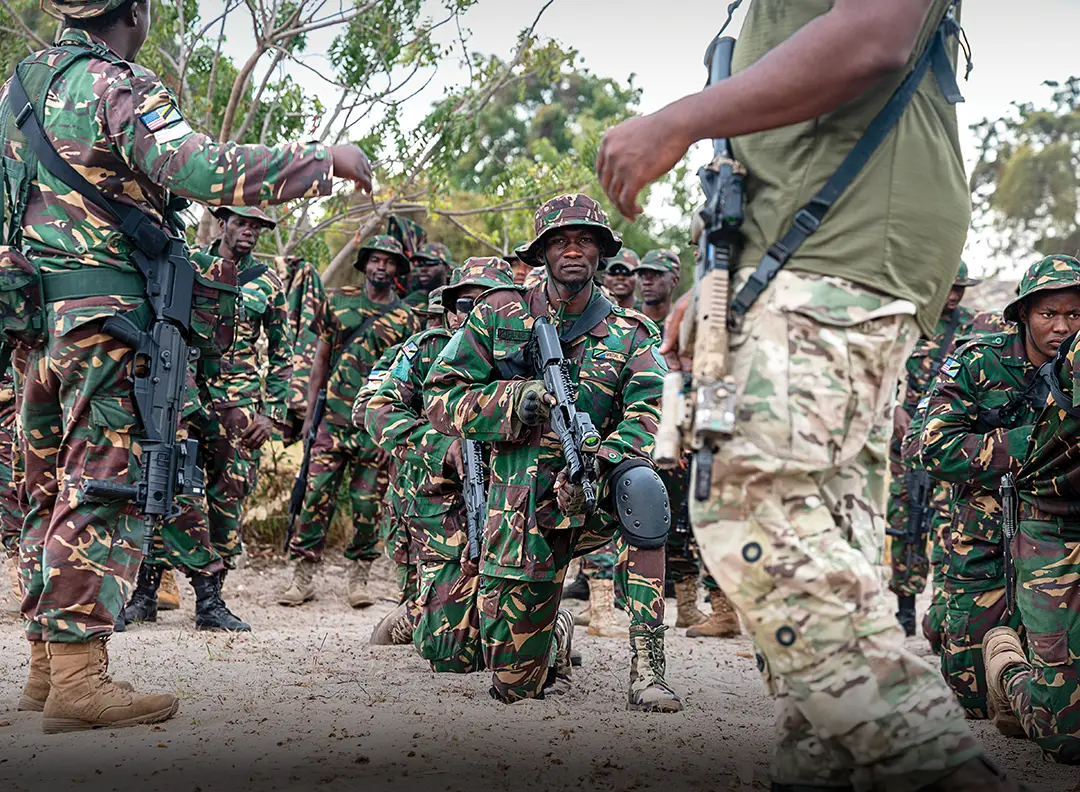
By necessity, special operations forces are secretive and operate in small, agile units. Their missions are high risk and, if their presence is known, they’ve probably done something wrong.
But there is a growing recognition that African special operations forces (SOF) needs to get connected. Cross-border threats require that operators share intelligence and coordinate efforts. Operating alone is no longer an option, experts say. SOF needs to form a community.
During Silent Warrior 2025, Africa’s premier SOF conference, 400 attendees gathered from 32 African nations and 14 international partners. One repeated motto at the Nairobi conference was: “Your network is your net worth.”
For many, building that network of SOF that bridges gaps and breaks down barriers to cooperation was the reason for the event.
“Adversaries are evolving, and our forces must evolve faster,” Gen. John Kinyua Njeru, commander of Special Operations Forces Command Kenya, told SOF leaders. “While capabilities matter, trust, interoperability and professional leadership remain the decisive factors in shaping how African SOF respond to these threats.”
Attendees did not have to look far to observe the perils of a divided continent. Burkina Faso, Mali and Niger have left the Economic Community of West African States and formed the Alliance of Sahel States. The result is less intelligence sharing, less coordination and an absence of mechanisms such as the right of pursuit, which lets SOF units follow terrorists across borders.
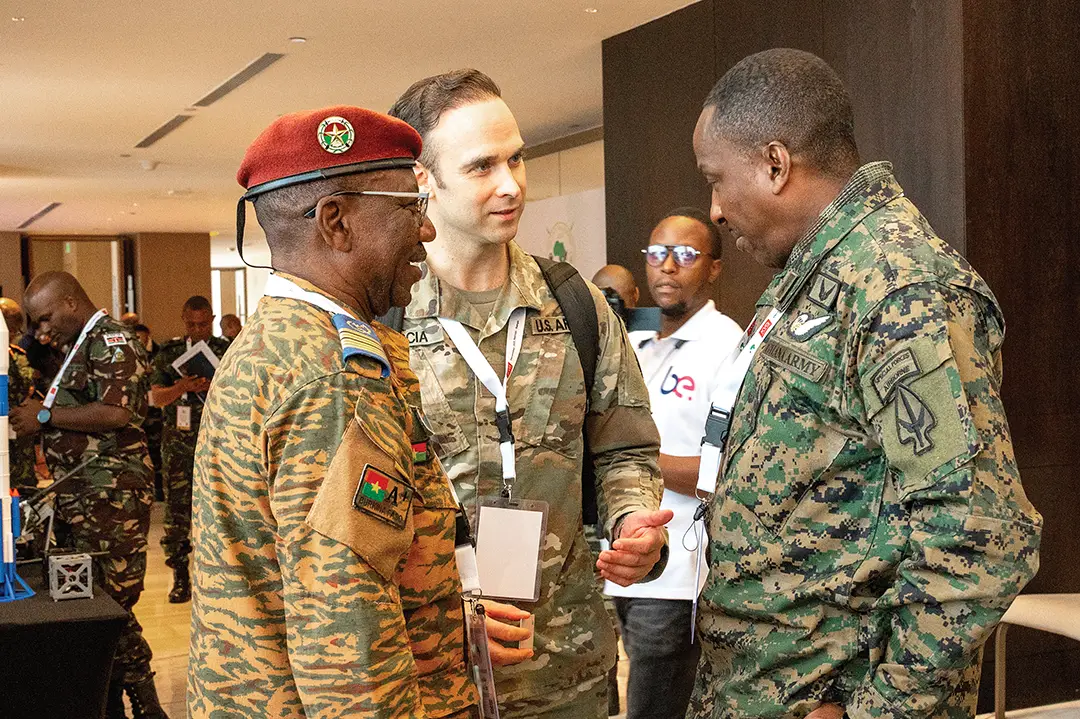
Experts say terrorists thrive in this fractured environment. Sahel countries now account for more than half of terror attacks worldwide.
“We see this lack of coordination is harming the effectiveness of the fight against terror,” Dr. Adal Rhoubeid, former security advisor to the president of Niger, told ADF. “Each side becomes a haven for terror groups and, at the military level, because of the political disagreements, you don’t see the coordination we used to have. And coordination is the first step before we can even think about interoperability.”
Our adversaries move across borders, therefore our partnerships must do the same.” ~ Maj. Gen. Peter Muteti, deputy force commander of the African Union Support and Stabilization Mission in Somalia
During Silent Warrior, attendees discussed ways to improve interoperability, including liaison exchanges, joint patrols, mechanisms for intelligence sharing and strengthening regional frameworks.
“Our adversaries move across borders, therefore our partnerships must do the same,” said Maj. Gen. Peter Muteti, deputy force commander of the African Union Support and Stabilization Mission in Somalia.
Harmonizing Doctrine
SOF units and capabilities can vary greatly from nation to nation. SOF structures typically emerge from colonial history and are crafted to respond to a nation’s most pressing threats. In Egypt, for example, SOF has expertise in counterterrorism and hostage rescue. In Chad, SOF is known for its speed and ability to conduct desert warfare. Coastal nations such as Nigeria and Ghana have developed maritime units capable of boarding vessels and operating in difficult mangrove swamps.
Some countries have brigade-sized units that can bring to bear significant force against an enemy, but struggle with speed and stealth. Others have smaller specialized units. There are significant differences in language, doctrine and equipment.
“We don’t have similar SOPs [standard operating procedures], we don’t have similar TTPs [tactics, techniques and procedures], therefore, even when we’re engaged in the theater together, we find that the operation is disjointed because the troops don’t have a common doctrine that they’re sharing,” said Col. Charles Mugo, deputy commander of Special Operations Forces Command Kenya.
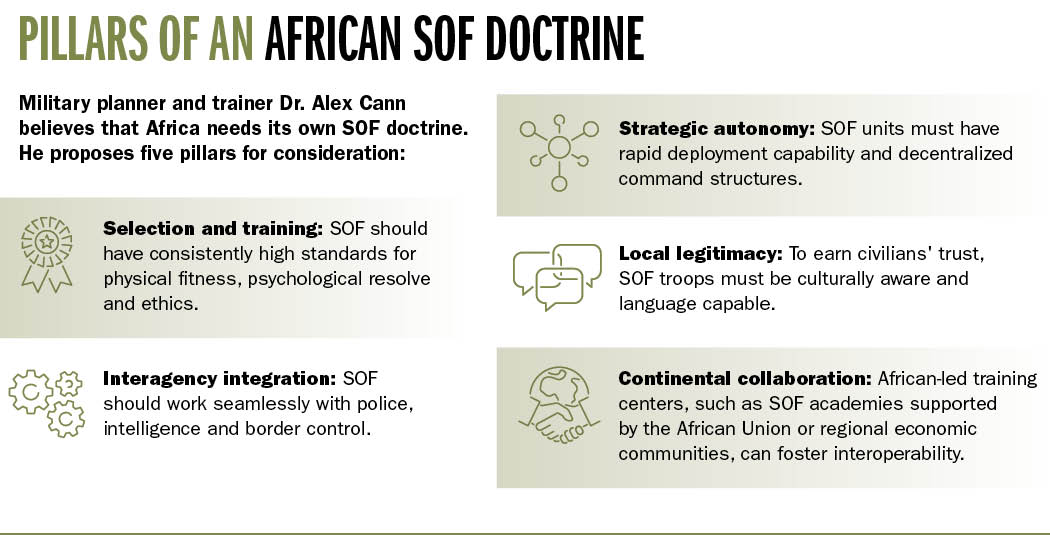
Military planner Dr. Alex Cann, who served in the African Union Support and Stabilization Mission in Somalia, wrote that there are some commonalities despite the variety of African security challenges. Many countries face adversaries such as bandits, terrorists and traffickers who employ asymmetric tactics in challenging geographic zones. These require an African approach to SOF that prioritizes speed and fosters trust from local communities.
“Africa doesn’t need to copy-paste Western SOF models,” Cann wrote. “What it needs is an African approach to special operations — rooted in local realities, built on trust, and driven by mission clarity.”
Cann pointed to Mozambique, where a relatively small Rwandan force reclaimed territory from terrorists and outperformed larger forces. In many African countries, he wrote, small and nimble units are most effective.
“Sometimes, it only takes a dozen well-trained warriors to stop a war before it begins,” Cann wrote.
Models of Interoperability
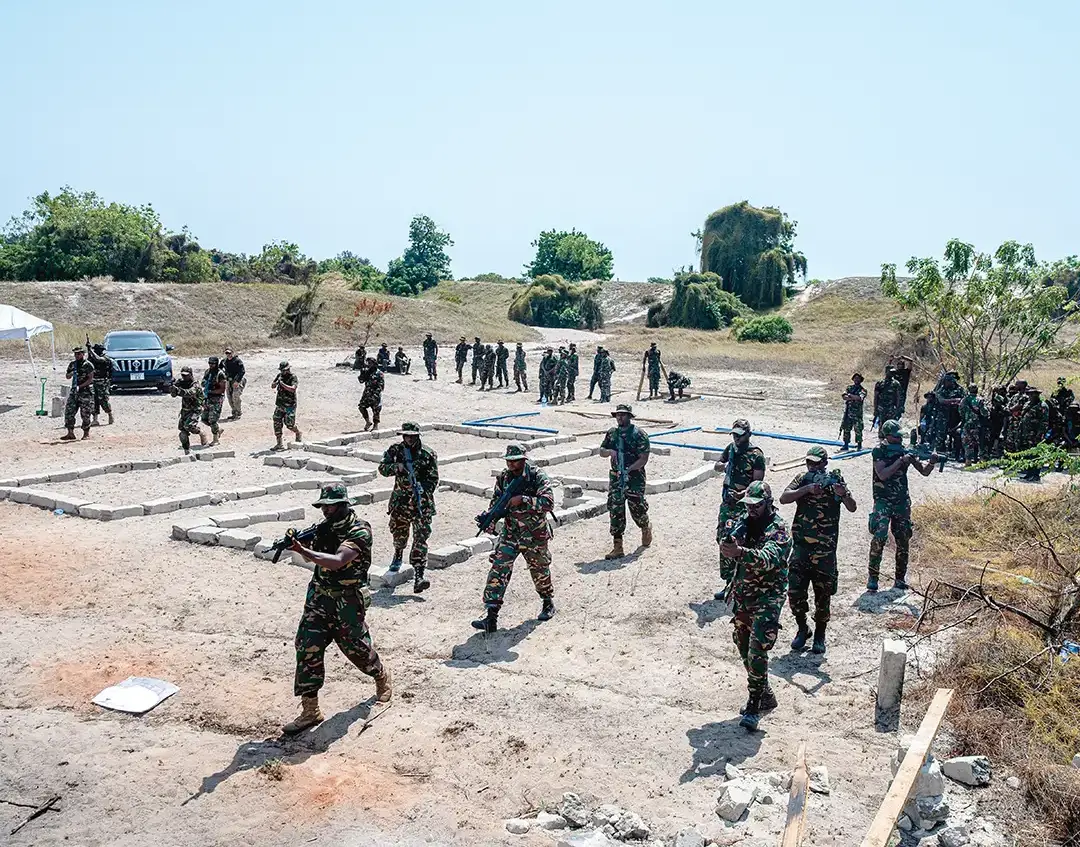
Some Silent Warrior attendees identified ways to improve interoperability.
Brig. Gaboratanelwe Tshweneetsile, Botswana’s director of special operations, said that since SOF units might be deployed to terrains and in civilian and military cultures they are unfamiliar with, it would be helpful to have regional centers of excellence where they can learn ahead of time.
“What I advocate for are centers of excellence in different regions so that we can operate together as a common force,” Tshweneetsile told ADF. “If it is desert warfare, you can go to a country that specializes in desert combat. If it is jungle warfare, you can go to a country that has jungles, so I think that these specialties go across the continent.”
Others pointed to the AU’s African Standby Force, which includes mechanisms for rapid response to crises but does not include a dedicated SOF component. If there was a standing, regional SOF unit, it could be deployed to crises quickly and effectively.
 Maj. Gen. Mohamed Ali Barise of the Somali National Army has seen the need for additional SOF capacity in his home country. Somalia’s elite Danab special forces have liberated towns from al-Shabaab, but its relatively small size — 2,000 Soldiers — means it has difficulty holding territory.
A regionally aligned SOF unit within the Standby Force structure could be a major asset in situations like this. It also would support the broader project of SOF interoperability.
“SOF is an enabler,” Barise told ADF. “To use special forces from different countries as an enabler for the fighting elements on the ground, it would be something commendable.”
One possible model for SOF integration in Africa comes from NATO, where the Allied Special Operations Forces Command (SOFCOM) directs, synchronizes and enables SOF activities across 28 member countries and two partner nations in the alliance. The NATO Special Operations University at Chièvres Air Base in Belgium offers training and education to build SOF capabilities, capacity and interoperability.
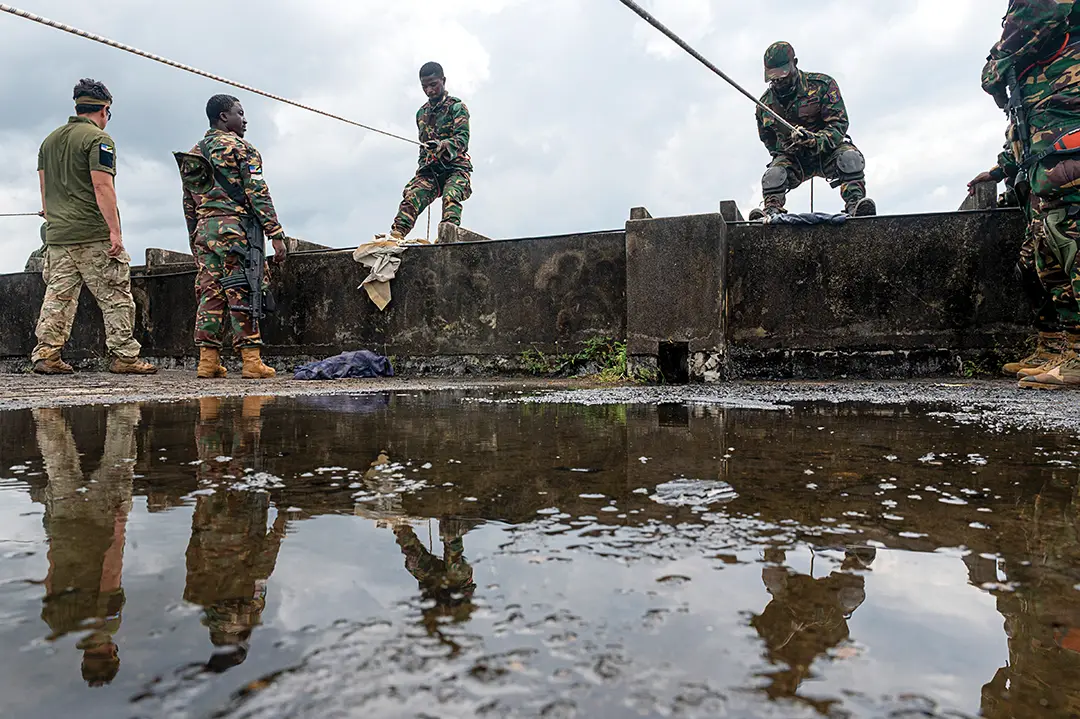
The idea is that, when called upon, NATO SOF units can speak the same battlefield language and are ready to work together.
“This effort enhances the development of capable, realistic, geographically oriented SOF relationships and structures to create effects in peacetime, crisis and conflict,” SOFCOM said on its website.
For SOF leaders at Silent Warrior, the annual meeting is a first step toward creating similar continental structures. And, they said, it starts with building relationships.
“The fact that we are coming together as SOF makes a difference,” Tshweneetsile of Botswana said. “We make friendships, we make contacts, and we know what others can do and are capable of. We are going to operate in the future together, so we need to know what the tactics and procedures are across the continent.”
Others said they would return home with newly gained knowledge about the latest SOF technology and what is being done in other parts of the continent. But, they said, the real work starts after the conference concludes when attendees must build on the relationships formed at Silent Warrior.
“We have done the talk; it’s time for the working aspect of it,” Col. BI Amajuoyi, deputy chief of staff for Nigeria’s Special Forces Command, told ADF. “We can take these lectures and these discussions back and practice them.”