
The Sudanese Armed Forces might be using and stockpiling chlorine-based chemical weapons for use against the rival Rapid Support Forces in the country’s ongoing civil war, according to new reporting.
Documents, videos and intercepted communications appear to describe a program for making chlorine-based munitions, with stockpiles numbering in the hundreds, according to news organizations including The New York Times and The Washington Post. The examined material appears to show weapons being developed and tested in a factory.
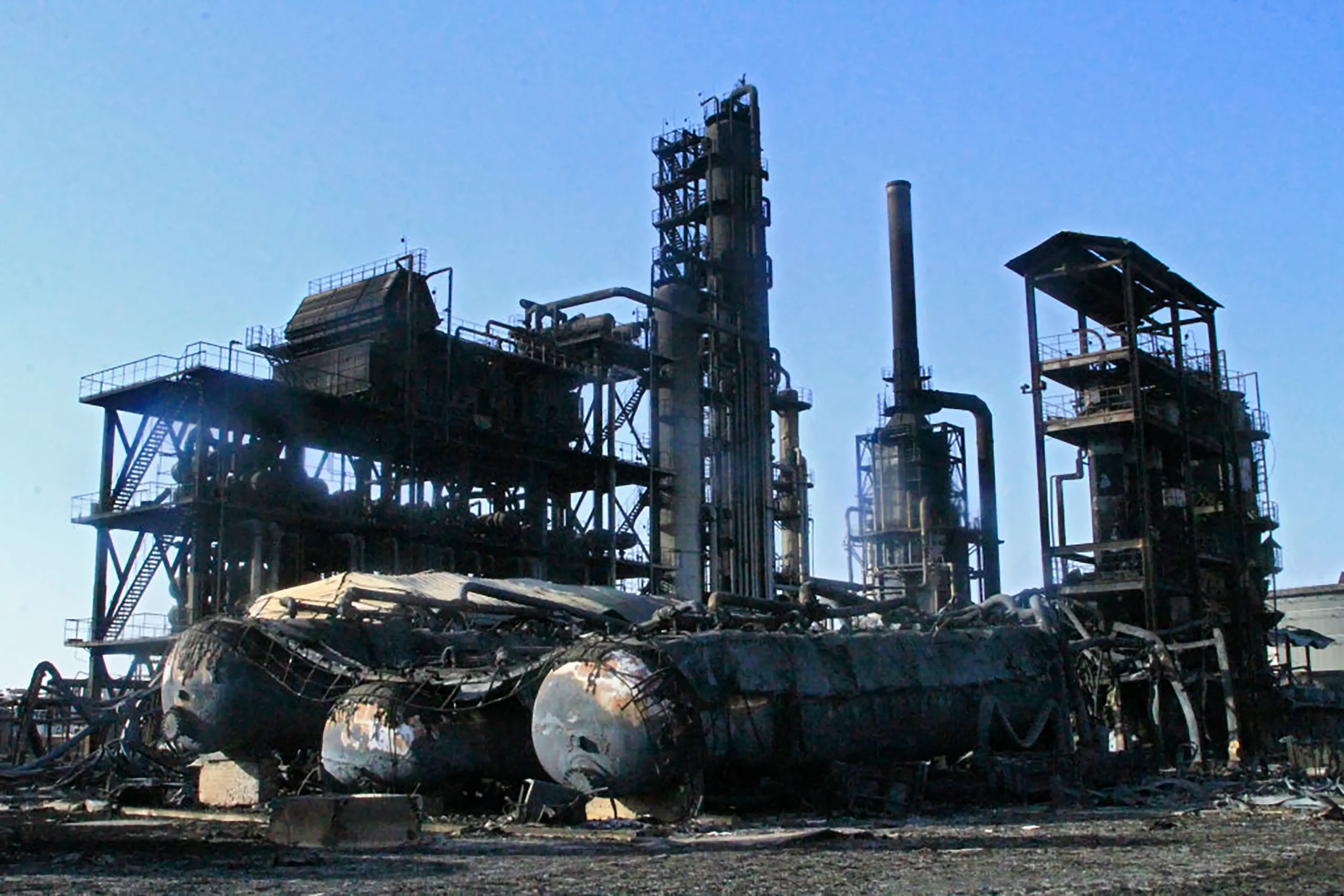
Mark Albon, former head of the United Nations Organization for the Prohibition of Chemical Weapons’ investigation unit in Syria, told a panel in September that there is “every reason to believe” that at least one chemical weapons attack already has taken place in Sudan. He said the strongest evidence identified an attack in September 2024 at Al-Jaili refinery, north of Khartoum, according to The National, a Middle East news organization.
Reports of chemical warfare have been circulating in the region for months.
“The use of chemical weapons represents a new low in a conflict in which both sides have been accused of committing war crimes on a wide scale,” reported the Arms Control Association in January. “The army is the only armed group in Sudan with the aerial military capacity to carry out such attacks. Similar tactics were employed by the military forces of former dictator Bashar al-Assad during the civil war in Syria.”
The Sudanese civil war began in April 2023 between the national Sudanese Armed Forces (SAF) and the paramilitary Rapid Support Forces (RSF). The split is not one of ideology; it’s a power struggle, which has been described as a “self-sustaining war” for control of the country’s gold and other resources. The SAF holds much of the north and east, and the RSF controls large parts of the west, including Darfur.
Both sides have been accused of atrocities such as rape, the killing of children, and ethnic violence targeting non-Arab communities. The U.N. says the war has displaced more than 13 million people, adding that an RSF campaign in Darfur last year had “the defining characteristics of genocide.”
Sudanese officials, including the country’s ruler, Gen. Abdel-Fattah al-Burhan, have denied that the government has developed or used chemical weapons. They say they remain committed to the provisions of the Chemical Weapons Convention, a treaty among 193 nations signed in 1999.
The Post reported examining files that include documents prepared by Sudanese military officials referring to “dual-effect” munitions filled with “choking gas.” Videos, the Post said, show weapons tests producing plumes of green-yellow vapor. Military memos indicate that the country’s security forces have stockpiled as many as 290 chemical munitions. The Post said it examined evidence showing that Sudan was diverting shipments of chlorine meant to provide safe drinking water, hiding warhead production sites on military bases, testing bombs in remote desert locations and drawing up lists of targets where toxic gas could penetrate enemy defenses.
The Times described how and why Sudan’s military developed and produced chemical weapons over six months in 2024. The evidence, the Times says, includes bomb blueprints, details of an apparent effort to cover up the project after its discovery by the United States, and “a suggestion that some of the chlorine used to make the bombs was sourced at a civilian water treatment center that received the chemical from international aid groups.”
The SAF might have turned to chemical weapons early in the war. By mid-2024, the SAF had lost most of Khartoum, with RSF fighters deeply embedded there. In July of that year, Sudanese Army Brig. Gen. Tariq Hussain set up a factory that assembled chlorine bomb prototypes, the Times reported. On July 22, a cargo plane took off from Merowe airport, about 300 kilometers north of Khartoum, to test the chlorine-based weapons.
“The test went 100 percent,” Hussain later wrote, adding a video of an explosion in the desert, according to the Times. “It fell on the target and released the gas.”
Chlorine gas was first used as a weapon in World War I, but chemical weapons of all kinds are now banned because they are impossible to control and target accurately. They also can cause lifelong damage. The International Committee of the Red Cross says the bans exist because “to make and use a weapon that prevents people from using the air, from breathing, was considered too horrible and damaging.”
Chlorine is widely available and used throughout the world to purify water, treat sewage, and manufacture plastics, paper and other materials. Although easily obtained, liquid and gaseous chlorine are extremely corrosive. Storing, transporting and rigging delivery mechanisms to use chlorine in weapons requires special chemical-resistant materials to prevent premature leaks or catastrophic failure.