

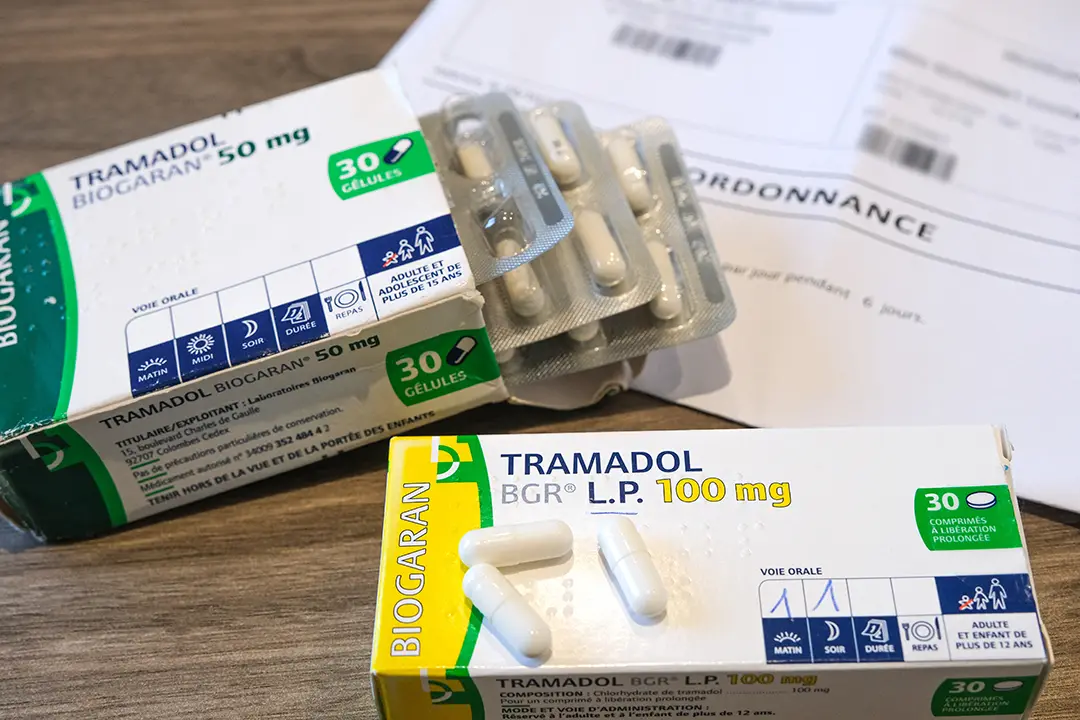
A group of Russian Wagner Group mercenaries have shifted their efforts to running a tramadol trafficking empire in the Central African Republic.
Known as “poor man’s cocaine,” tramadol is a highly addictive stimulant and painkiller. Tramadol trafficked in the CAR, however, is far stronger than tramadol dispersed by legitimate pharmacies. Typically prescribed in 50- to 100-milligram doses, CAR tramadol is distributed at 200 milligrams or more. This can be used by workers toiling long hours in Wagner-controlled gold mines and is also used by fighters to combat fear, reduce pain and fuel long periods with little food or sleep.
“In battlefield contexts, tramadol is being taken in massive doses,” Nathalia Dukhan, a researcher with the Global Initiative Against Transnational Organized Crime (GI-TOC) think tank, told The Wall Street Journal. “Fear vanishes and agitation surges as combatants enter a pharmacological trance.”
It is attractive to insurgent organizations, militias and criminal networks because it is relatively inexpensive compared to cocaine and amphetamines, and more available in regions with weak border controls and limited pharmaceutical oversight, the Robert Lansing Institute reported.
“The recurring use of tramadol across African conflict zones suggests it has become a low-cost pharmacological force multiplier for irregular armed groups,” the Lansing Institute said.
Up to an estimated 500 former Wagner mercenaries base their operations along the Oubangui River. Their growing drug empire includes a diverse array of clients, including members of the CAR’s Presidential Guard, pro-government militias and an allied youth militia. Much of Wagner’s higher-dose tramadol has historically been concealed in legitimate shipments from India. It enters the CAR from the Democratic Republic of the Congo via the Oubangui River, The Wall Street Journal reported.
Movement of the drug is regulated at Wagner-controlled checkpoints, where the mercenaries collect transit payments in exchange for safe passage through areas the group controls. The GI-TOC found that high-dose tramadol is now widely available in retail outlets in Bangui, the national capital. Due to high demand, tramadol’s local price has tripled in the last year. According to the Journal, profits increase when the drug is trafficked to neighboring countries. A $7,000 consignment in the CAR, for example, could sell for $21,000 in Cameroon, although payments for protection cut into trafficking profits.
“The combination of Indian pharmaceutical exports, Congolese transit facilitators, Wagner-linked logistics coordinators, and politically connected actors inside CAR has created a highly resilient transnational trafficking network,” the Lansing Institute reported. The system works through “overlapping relationships among pharmaceutical intermediaries, transport brokers, local security forces, armed militias, and former Wagner commanders.”
Wagner’s grip on the tramadol trade allows it to also exploit the CAR’s timber and gold resources. The group makes $180 million annually via illegal CAR gold exports, according to the GI-TOC. Trafficking tramadol to neighboring nations provides additional revenue to buy weapons, pay loyal militias and maintain Wagner’s private security operations. The GI-TOC says operatives aligned with Wagner remain in the CAR.
The group’s mission in the CAR is “more straightforward than in other places where Wagner has struggled, like Mali or Mozambique, where there are genuine security threats from ISIS [Islamic State group] affiliates,” security analyst Cameron Hudson told the Journal.
Dukhan warned that Wagner’s entrenchment in the CAR may fuel regional chaos, particularly in Sudan.
“Central African Republic is Wagner’s last remaining hub in Africa,” the researcher told the Journal. “But they are entering Darfur in coordination with the Rapid Support Forces,” which are embroiled in a deadly civil war with the Sudanese Armed Forces.
Tramadol use is also reportedly rising in Cameroon, where farmers give it to cattle hauling plows; Egypt, where 92% of construction workers use it; Ghana, where it is regularly ingested by motorbike taxi drivers; and Niger, where it is consumed by 77% of homeless young people, according to International Health Policies, a weekly digital newsletter.
In Nigeria, the drug is commonly used by fighters with the Boko Haram and Islamic State West Africa Province terror groups. A United Nations report also documented widespread abuse among members of the country’s Civilian Joint Task Force, a pro-government militia fighting the terrorists. Some task force members have been accused of facilitating local tramadol trafficking.