

An ethnic militia that was recruited, trained and armed by Russia’s Wagner Group PMC has turned against the government of Central African Republic’s President Faustin-Archange Touadéra.
Fighting between the Azandé Ani Kpi Gbè (AAKG) militia and the Central African Armed Forces (FACA), backed by Russian mercenaries, has flared in the remote southeastern Haut-Mbomou prefecture since the country’s December 28, 2025 presidential election. That day, the AAKG seized Bambouti, 3 kilometers from the border with South Sudan.
“The choice of this date was no coincidence,” researcher Fulbert Ngodji told Radio France Internationale (RFI) for a January 12 article. “By attacking symbols of the state, the militia is demonstrating its strength and is probably beginning its transformation from a militia with ethnic demands to a rebel group opposed to the government.”
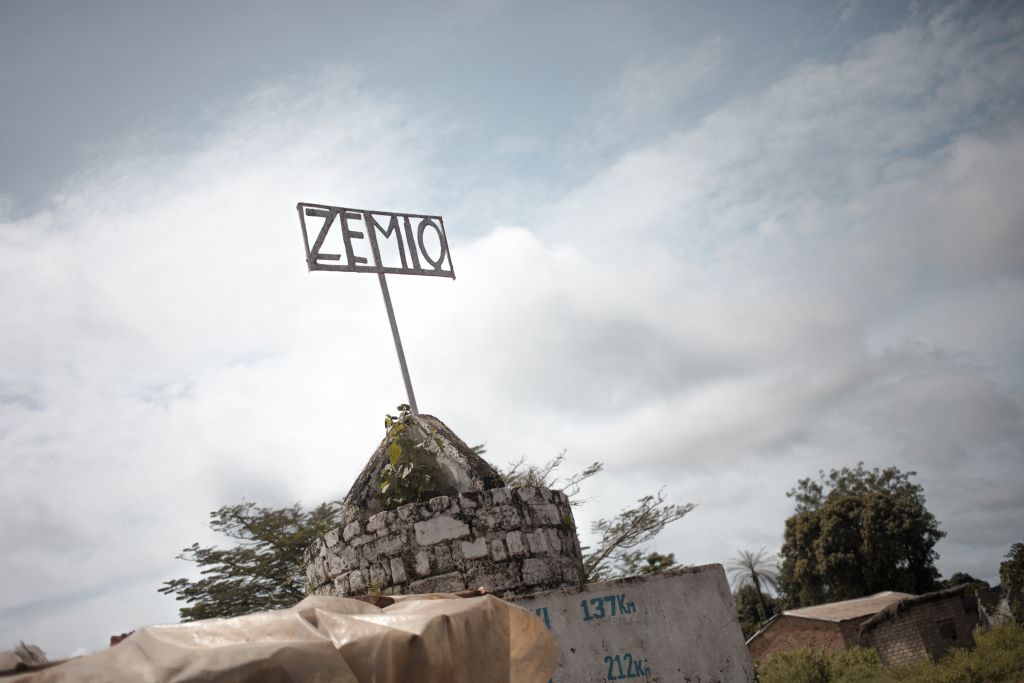
On the western side of Haut-Mbomou prefecture, the sound of gunfire has become common in the town of Zémio. The AAKG attacked and disabled the state-run hospital there on January 4. It is now guarded by United Nations peacekeepers with the MINUSCA mission. Residents fled from the hospital to the Catholic church, which now looks like a makeshift displacement camp.
“There are about 2,000 people here,” a religious source told RFI. “Others have already crossed the border to join thousands of people seeking refuge in the Democratic Republic of the Congo.”
Ngodji, who authored a recent report on the AAKG for the International Crisis Group think tank, warned that the CAR government is now facing “the monster it created.”
The AAKG militia arose in 2023 after the Union for Peace in the CAR (UPC) rebel group attacked the Zandé people, who are the majority ethnic group in Haut-Mbomou. In their local language, AAKG’s name means “too many Zandé have died.”
In the AAKG, Touadéra’s regime saw an ally in the fight against the UPC. In 2024, the Wagner Group trained and armed about 200 members of the AAKG, who fought alongside FACA to take Zémio, Mboki and other southeastern towns from the UPC. The group became known as “Wagner Ti Azandé.”
Just a few months later, however, the relationship between the AAKG and the Wagner Group collapsed, and the militia expelled its trainers from Haut-Mbomou. The breaking point, according to former AAKG spokesperson Michel Kombo-Yéki, was an attempt to disarm those 200 men and renege on the government’s promise to integrate them into FACA.
“It is the government that is fueling this insecurity. We worked for the state, we recaptured a prefecture,” he said during the Patara political debate program on Ndékè Luka radio in September 2025, adding that the AAKG will not be “thrown in the trash.”
Locals have accused Russian mercenaries of atrocities and abuses throughout Haut-Mbomou. In Zémio, they shot and killed a village chief who was trying to flee arrest. In Mboki, Russian fighters killed a civilian and a former militiaman and set fire to about 20 homes.
“The Russians do whatever they want,” Kombo-Yéki said, citing an operation at a church in which Russians abducted and killed two men.
Corbeau News, a CAR media outlet, described a wave of attacks by Russian mercenaries escorting FACA soldiers in late January, cruelly burning houses haphazardly as they drove through the prefecture.
“The complete impunity that these men enjoy allows them to act without restraint,” according to a February 2 editorial on the website. “The people of Haut-Mbomou now live in constant fear of military vehicles passing by. Any convoy could stop anywhere and set fire to any house. This uncertainty weighs heavily on the daily lives of the villagers, who are constantly listening for the sound of engines.”
The government must initiate a dialogue with Zandé leaders, said Monsignor Aurelio Gazzera, the bishop of Bangassou. He warns that the violence could spread across southeast CAR and into South Sudan, where the AAKG also operates.
“Caught between a militia that claims to defend them and loyalist forces that see them as rebels, the people of Haut-Mbomou are trapped in a vise,” he told RFI. “The militiamen must stop this carnage affecting civilians. The authorities must listen to them and engage in dialogue. But more importantly, they must develop this region that they have neglected for so many years and which still lacks roads and infrastructure.”