

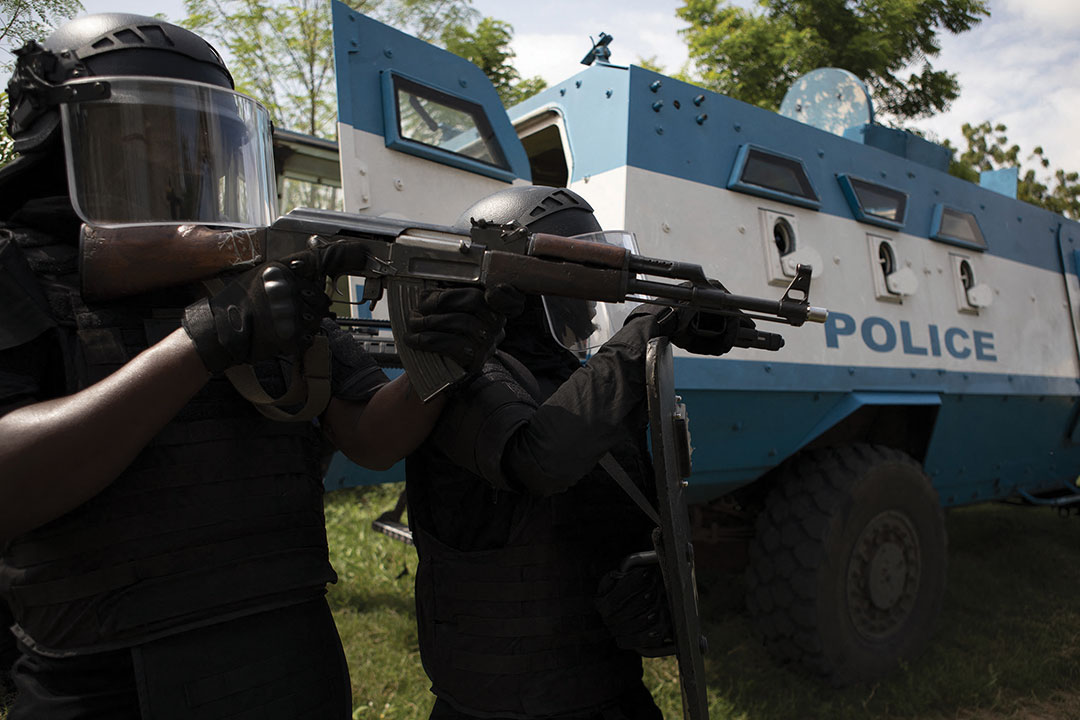
The departure of three Sahelian nations from ECOWAS in January 2025 has undercut counterterrorism efforts. Restoring that work will require overcoming mistrust between the nations and their neighbors, according to experts.
One starting point on that journey, according to analyst Eric Tevoedjre of Benin, might be a new diplomatic agreement between the Economic Community of West African States and Burkina Faso, Mali and Niger, now operating as the Alliance of Sahel States (AES).
“Maintaining good relations with the AES states is a strategic imperative for ECOWAS,” Tevoedjre wrote for the Development and Cooperation website. “The offer of diplomatic recognition could significantly improve the situation.”
Military groups in the three Sahelian nations overthrew their democratically elected governments starting with a Malian coup in 2021. In 2024, the three countries’ leaders announced that they would form their own mutual defense pact. Alliance junta leaders pledged to defeat terrorists. So far, they have fared worse than their predecessors, and the region now leads the world in terrorism, according to the Global Terrorism Index.
Terrorism along the region’s porous borders threatens security in coastal states, particularly along the W-Arly-Pendjari wildlife park complex, which straddles Niger and Benin.
“Mistrust between the two organisations [ECOWAS and AES] prevents vital intelligence sharing and coordination of military operations to prevent certain territories from being used as fallback zones,” analyst Jeannine Ella Abatan wrote in March 2025 for the Institute for Security Studies.
A few weeks before the AES nations separated from ECOWAS, Jama’at Nusrat al-Islam wal-Muslimin (JNIM) killed 30 Beninese Soldiers at a base near the border with Burkina Faso and Niger. In April 2025, JNIM fighters killed at least 54 security personnel near W National Park. That same month, JNIM militants launched their first kamikaze drone attack on the Togolese military in the northern Savanes region.
JNIM seeks to create bases in coastal states from which it can launch attacks into Burkina Faso. “A lack of counterterrorism coordination between Benin and its Burkinabe and Nigerien neighbors has likely created security gaps and facilitated JNIM’s offensive,” Liam Karr wrote for the Critical Threats website.
“Because ECOWAS and AES will not fund counterterrorism initiatives together, their individual projects will likely be far less effective or simply not be undertaken due to prohibitive start-up costs,” analysts Michael Howard and Ethan Czaja wrote in Small Wars Journal.
At the 2025 African Chiefs of Defense summit in Nairobi, Kenya, top military leaders repeatedly emphasized the need to improve collective security efforts in areas such as West Africa.
Toward that end, ECOWAS and the AES must collaborate on their mutual threat from terrorism, Tevoedjre wrote. “Political recognition would mark the beginning of a new era and pave the way for self-determined African cooperation instead of confrontation.”