

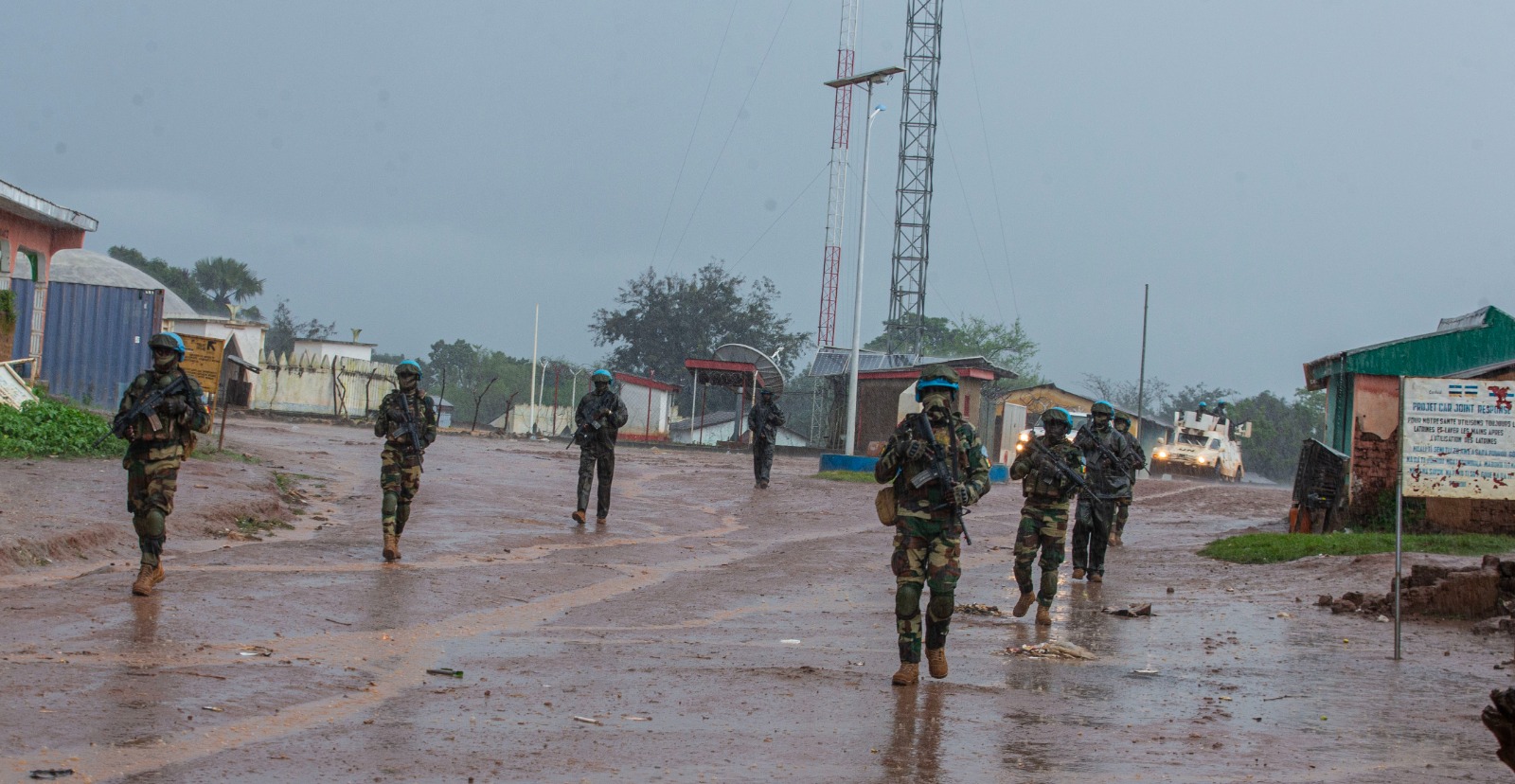
In a country as vast as the Central African Republic, mobility is a gigantic task for the peacekeepers of the United Nation’s mission, MINUSCA, in our mandate to provide security and protection.
In many parts of the world, a 600-kilometer journey would be a long but routine affair that traverses an improved road network. In the CAR, crossing that same distance between the capital, Bangui, and MINUSCA’s temporary operating base (TOB) in Koui village in the northwest involved a flight and at least 10 hours on roads where peacekeepers had tragically lost their lives to land mines in 2022.
When it rains, treacherous and barely navigable roads can become deadly, often proving too much for smaller vehicles, let alone the heavily armored personnel carriers used by MINUSCA escorts.
Long distances are a common challenge in conducting day-to-day work in the CAR, as some peacekeepers spend days, if not weeks, on the road. Vehicle breakdowns, animal crossings and security precautions test the concentration and resilience of the convoy escorts, security personnel and civilian peacekeeping specialists. For peacekeepers serving in MINUSCA and deployed across the country, life in a TOB has many challenges. TOBs are an indispensable staple of peacekeeping operations in the field. They are synonymous with efforts to protect civilians on the ground, particularly in hard-to-reach locations that are marked by fragile security and minimal government presence.
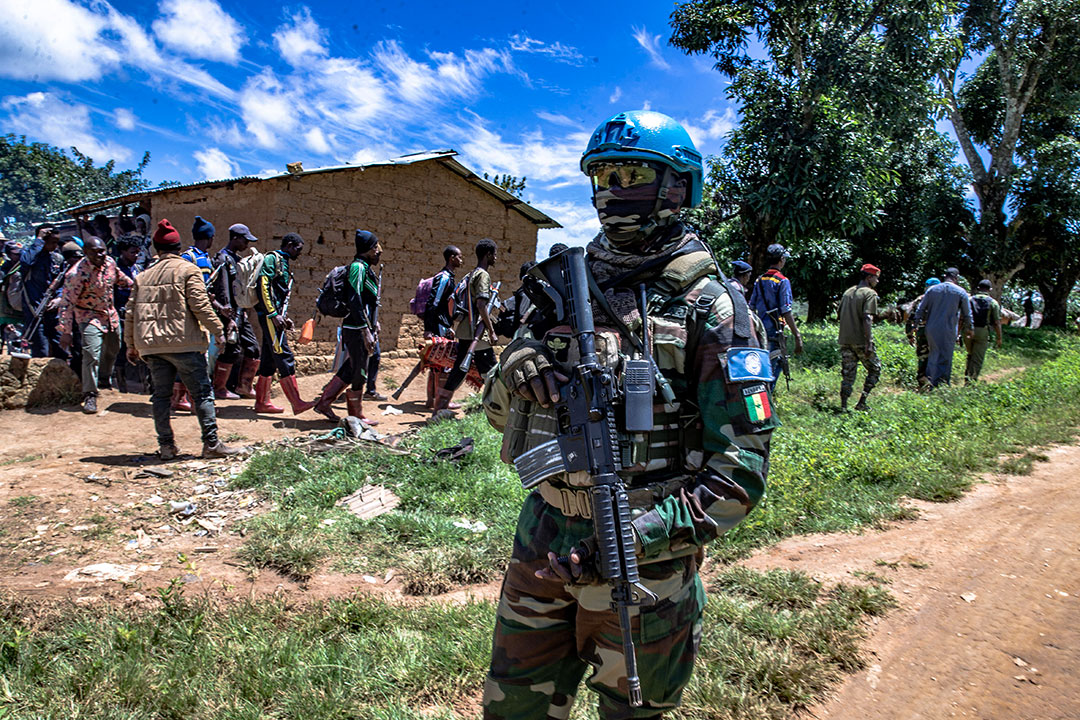
“The TOB is part of the mission’s commitment to strengthen local security and stability, ensure the protection of civilian populations, guarantee the safety of disarmed ex-combatants, and support the return of state authority,” said Lt. Col. Aranda G. Assine, commander of the MINUSCA Senegalese Quick Reaction Force.
Whether responding to sudden threats or conducting routine operations, peacekeepers rely on TOBs for their agility, mobility and ability to assure a protective presence for vulnerable populations. They help deliver life-saving humanitarian assistance and consolidate stabilization efforts.
“MINUSCA’s presence instills confidence and reassures the local population,” said Larry Nordine Malhaba, the sub-prefect of Koui. “Previously, the community had appealed to the mission for the return of peacekeepers who had relocated elsewhere.
“The TOB provides a strong sense of security. When the mission is here, peacekeepers ensure safety, they offer free medical assistance to the population when health concerns arise and they conduct patrols in response to security issues. When peacekeepers are absent, however, the population feels less secure.”
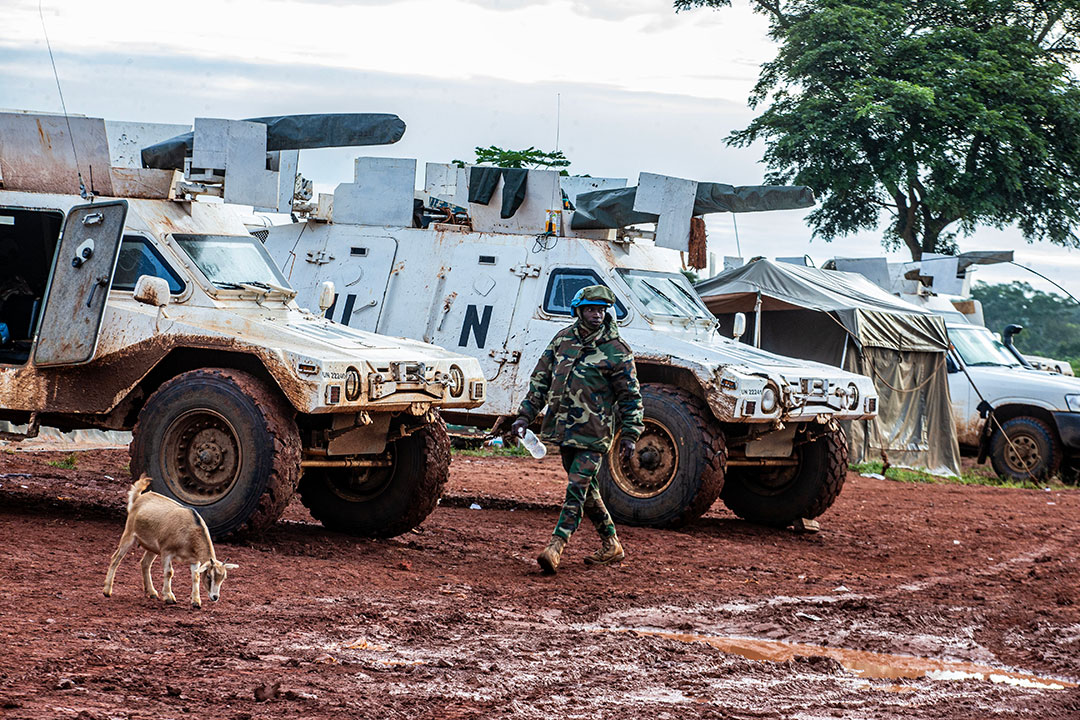
Despite the incessant rains of October that usually last through the night into the early afternoon, MINUSCA peacekeepers brave hazardous roads to conduct security patrols and provide humanitarian assistance to nearby villagers. A bond of trust is formed with the area’s civilian communities when they see peacekeepers arriving with mud-caked boots and rain-drenched uniforms, determined to carry out their mission of protection and security.
“Protection patrols, joint operations with the Central African Armed Forces and internal security forces, and coordinated exercises between national and MINUSCA forces have fostered trust between local populations and security forces,” Assine said. “This translates into a strengthened sense of security and the gradual return to normalcy in the region after years of instability.”
While the challenges of sustaining MINUSCA’s TOBs can seem arduous and resource-intensive, the benefits of providing security and humanitarian assistance is indispensable for earning the trust of the CAR population and aiding the U.N.’s overall stabilization mission efforts for the country.
About the author: Maria Kabatanya is a communications and political affairs officer with MINUSCA.