
Allegations of weapons smuggling have set off a new war of words between Eritrea and Ethiopia. The long-simmering dispute threatens to draw in regional powers and plunge the Horn of Africa back into conflict.
On January 14, Ethiopian federal police said they intercepted a truck in Woldia carrying 57,000 rounds of ammunition. Ethiopian officials alleged that the ammunition came from Eritrea and was being shipped to the Fano, an ethnically Amhara militia waging war against Ethiopia’s government.
In a statement, Ethiopian police said Eritrea had been caught “red handed” trying to arm rebels and destabilize the country.
Eritrea’s information minister angrily responded that the allegations were a “false flag” and a pretext to invade Eritrea and regain access to the Red Sea. Eritrean President Isaias Afwerki added that his country did not want war but said “we know how to defend our nation.”
Tensions between the two countries have grown in recent months as Ethiopia made clear its desire to capture the Port of Assab in Eritrea’s east. The port was a key part of Ethiopia’s economy until 1991, when Eritrea won its independence and left Ethiopia landlocked. Assab, a deepwater port with seven berths, is lightly used today. Despite the port being only 75 kilometers from the Ethiopian border, Ethiopia routes 90% of its port traffic through Djibouti.
State media and Ethiopian politicians have fanned the flames of public anger, saying the port should rightfully be returned. Maj. Gen. Teshome Gemechu, a prominent voice in the Ethiopian National Defence Force, said controlling the port “has become our survival interest worth paying any price for.” Prime Minister Abiy Ahmed said the “mistake” of losing Red Sea access would be “corrected.”
The dispute is drawing in outside powers. In December 2025, The National, an Abu-Dhabi-based newspaper, reported that Egypt signed a deal to upgrade Assab and expand its capacity to create berths for warships. Egypt reportedly signed a similar deal with Djibouti to expand the port of Doraleh.
“Both agreements include infrastructure upgrades to allow Egyptian warships — including destroyers, submarines, and troop and helicopter carriers — to refuel and resupply at the two ports,” the Addis Standard reported.
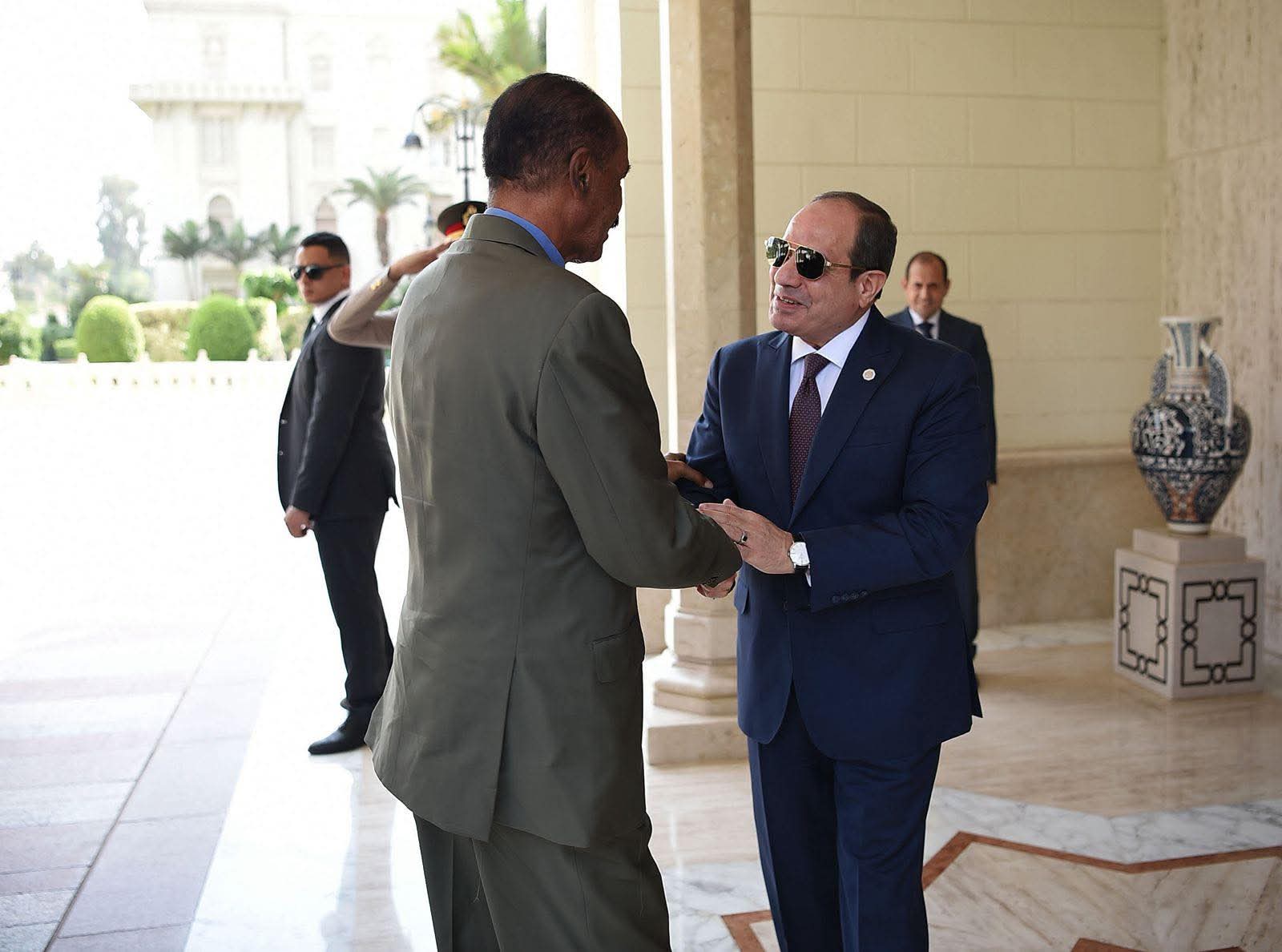
Egypt and Ethiopia are in a dispute over the construction of the Grand Ethiopian Renaissance Dam which, Egypt says, constricts the flow of the Nile River and limits its population’s access to freshwater sources. Egypt has drawn closer to Eritrea over the past year, including bilateral talks between the countries’ leaders last October. Access to the Assab port would give Egypt a strategic advantage if war broke out.
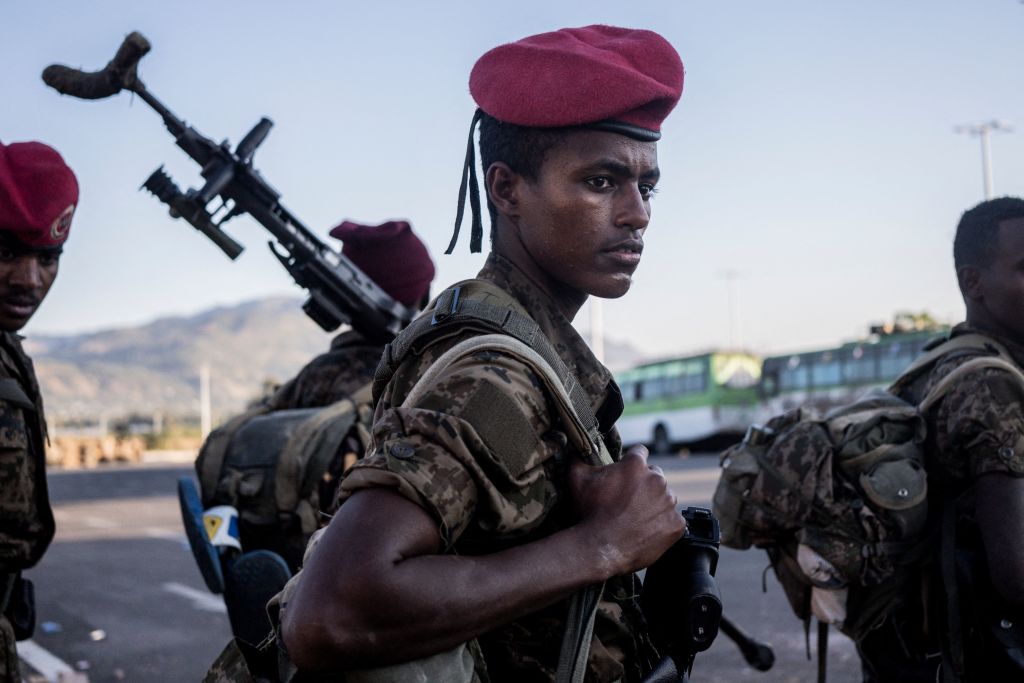
Despite the saber rattling, there is no indication of troop buildup along the shared Ethiopia-Eritrea border, according to Martin Plaut, a veteran journalist who covers the region. However, Plaut noted, Ethiopia has been parading recruits and military hardware on state television in an apparent show of strength.
“We will strengthen our defence forces, speed up our development and secure a sea outlet,” Ethiopian Field Marshal Birhanu Jula told Soldiers last fall, according to Plaut.
Mohamed Kheir Omer, a researcher and author who studies the Horn of Africa, warned of a “drift” towards war as both leaders escalate rhetoric and harden their respective positions. Assab may be only a tiny dot on a map, Omer said, but in both capitals it has grown to be viewed as “destiny.”
“When both sides see self-preservation in opposite directions, the ground between them becomes a minefield,” Omer wrote for New Lines Magazine. “The danger is not design but drift: a handful of triggers, converging in time, that no leader can stop once they start.”