

Recent advances in drone technology are changing the conduct of warfare, but these revolutionary developments are also outpacing the ethics rules that govern their use.
Across the globe, the use of armed drones without proper oversight results in the deaths of innocent people. In the war between Russia and Ukraine, short-range drone attacks in Ukraine have killed 395 civilians and injured more than 2,600, according to a June 2025 United Nations report. Ukraine is now “the world’s most advanced drone theater,” accounting for 70% of the battlefield injuries and deaths, the Africa Center for Strategic Studies reported in 2025.
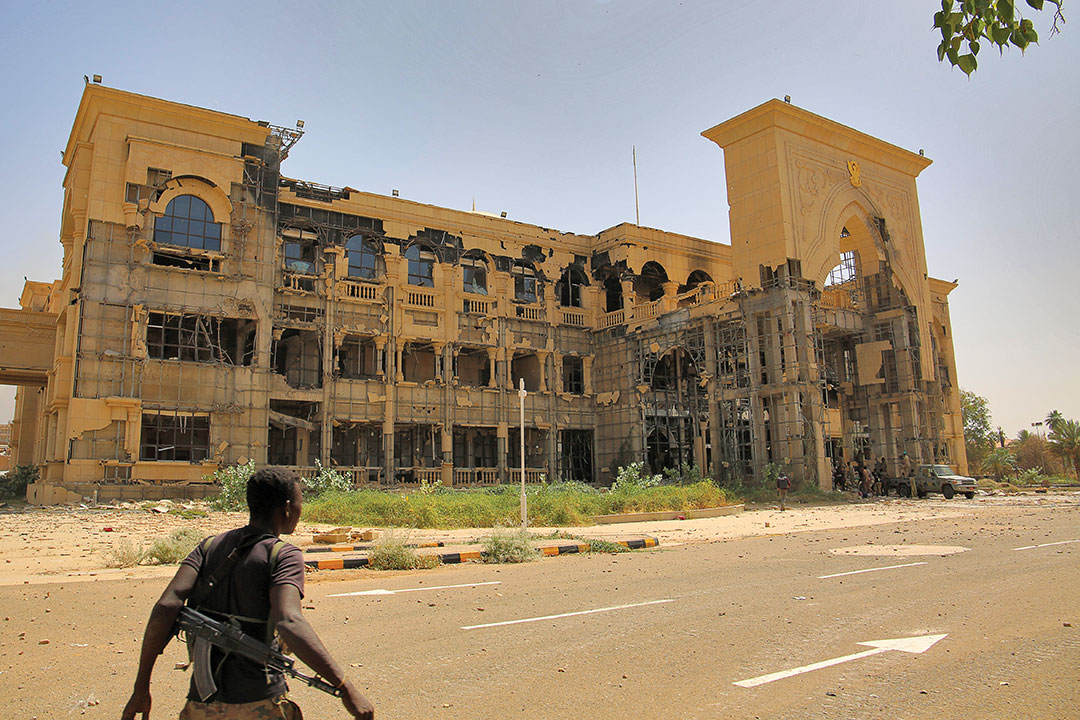
Sudan has become another hot spot for indiscriminate drone use. Both sides in the civil war there have demonstrated monstrous indifference to civilians in their drone attacks.
“Innocent civilians in Sudan continue to have their homes, lives and communities devastated by indiscriminately used weapons as they land in increasingly unrestrained hands,” according to an Armed Conflict Location and Event Data project study.
“Death on Delivery,” a 2025 report on drone warfare sponsored by research organization Drone Wars UK, says that recent studies of attacks show an urgent need for increased controls on armed drone proliferation. It also notes the “clear failures of responsibility of those exporting these weapons in providing them to governments with seemingly little intention of upholding international humanitarian law.”
“The extent of civilian suffering demonstrated in this report should make clear the threat posed by the rapid expansion of drone warfare worldwide,” the report said. “Innocent civilians living with conflict, political instability and widespread insecurity now confront the added threat of drone attacks, rendering even the most basic facets of day-to-day life — visiting a market, or attending a place of worship — potentially deadly.”
In Africa alone, the report says, more than 943 civilians were killed in at least 50 incidents across six countries from November 2021 to November 2024.
Replacing Humans
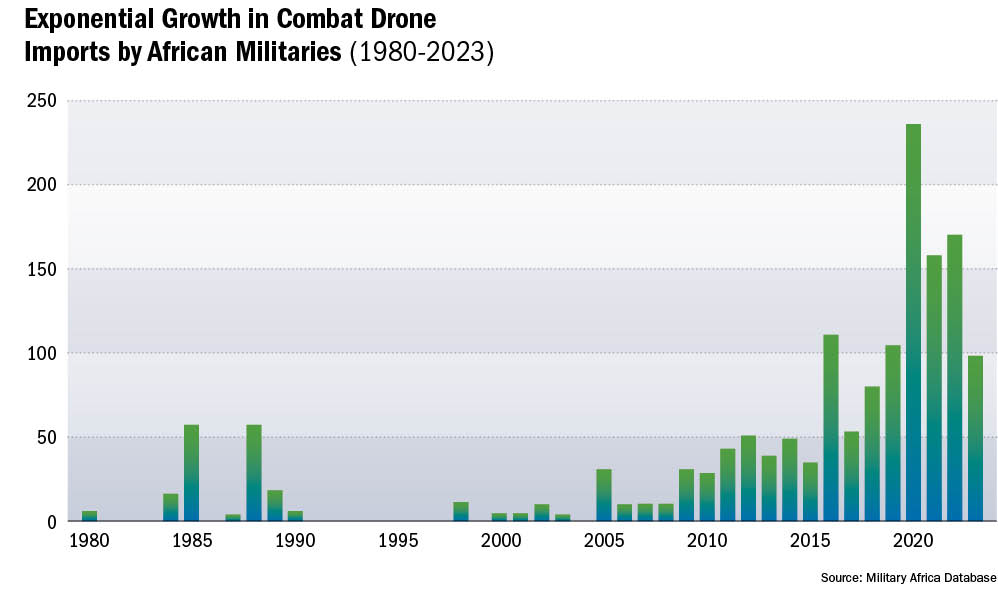
The possibilities associated with the mass application of flying drones, also known as unmanned aerial systems, are immense and varied. Armed forces in Africa have used remotely piloted aircraft for years for reconnaissance and intelligence gathering. Using them as weapons has been a relatively recent innovation.
For years, armed drones were fixed-wing aircraft, about the size of a small conventional airplane. Piloted from the ground, they dropped their bombs and returned to their home air bases. They are commonly referred to as medium-altitude, long-endurance, or MALE, drones. The cost of these aircraft has dropped significantly in recent years. The Africa Report says that earlier MALE drones ranged from about $12 million to $30 million each. Current Chinese-made craft can sell for as little as $1 million.
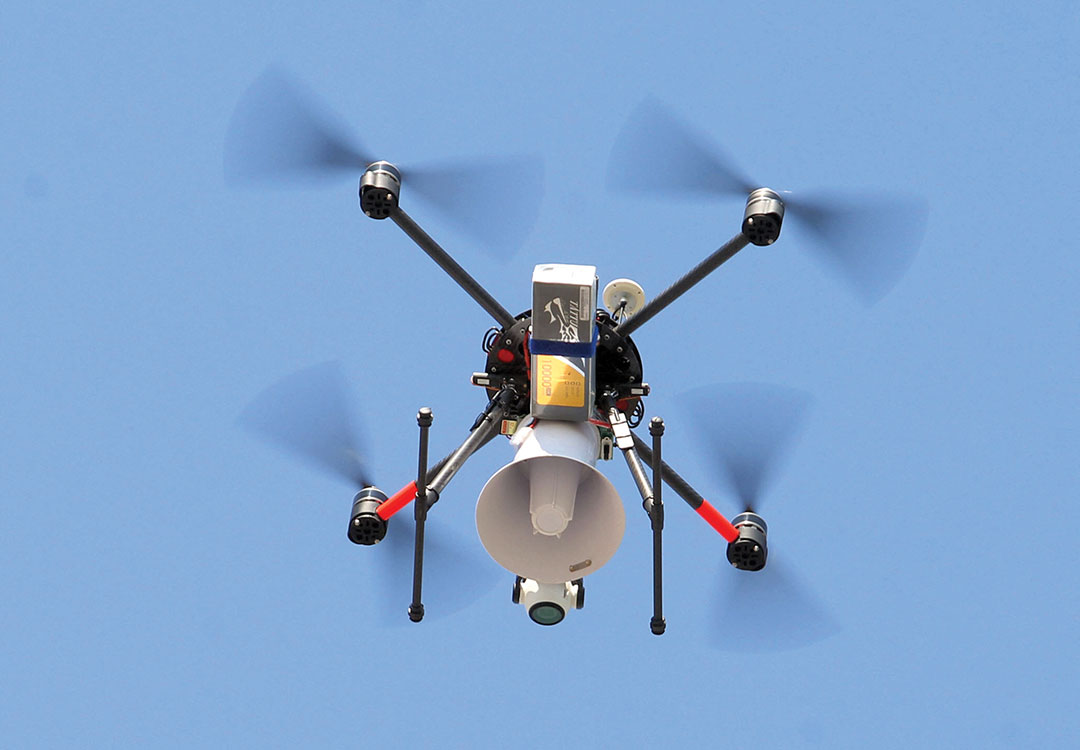
In the past three years, drone warfare has added a different kind of device: small, cheap aircraft, typically quadcopters, that usually are sent on “suicide” missions. These often are adapted from over-the-counter commercial drones and can cost as little as $300 apiece. If flown by an experienced handler, a 3-kilogram drone found in hobby and electronics shops can carry enough explosives to take out an armored vehicle, Andrii Fedorov, co-founder and CEO of Ukraine-based Nomad Drones, told The New York Post newspaper. Researchers say that some countries are selling inexpensive drones without regard for how they will be used.
“Drones offer sub-Saharan African militaries more affordable and flexible access to air power, which has been out of reach until now due to its cost and operational complexity,” said Djenabou Cisse of the Foundation for Strategic Research, as reported by France24. Countries such as China, Iran and Turkey have the advantage of selling drones “without attaching any political conditionality related to respect for human rights,” she added.
U.N. officials say the ethical use of armed drones has failed to keep up with advances in drone technology. Terrorist drone attacks on civilians often are deliberate, while government drone attacks on civilians are generally believed to be accidental. The result is the same: dead and wounded noncombatants. The U.N. says such drone use is a violation of the fundamental principle of international humanitarian law, which states that attacks may be directed only at military targets. The ongoing indiscriminate use of drones constitutes a war crime, the U.N. has concluded.
 Civilian deaths in bombings generally can be attributed to three factors: incorrect intelligence, errors in explosive payload calibration and the imprecision of using drones. The Africa Report says that “human and technical issues contribute to these deaths.”
As much or more than any other people in the world, the citizens of war-torn Sudan have seen devastating advances in drone warfare over the past two years. When the Sudanese civil war began in April 2023, military drones throughout Africa still were generally used only for surveillance and intelligence gathering. But since then, inexpensive over-the-counter drones have been converted into expendable soldiers that invade from above.
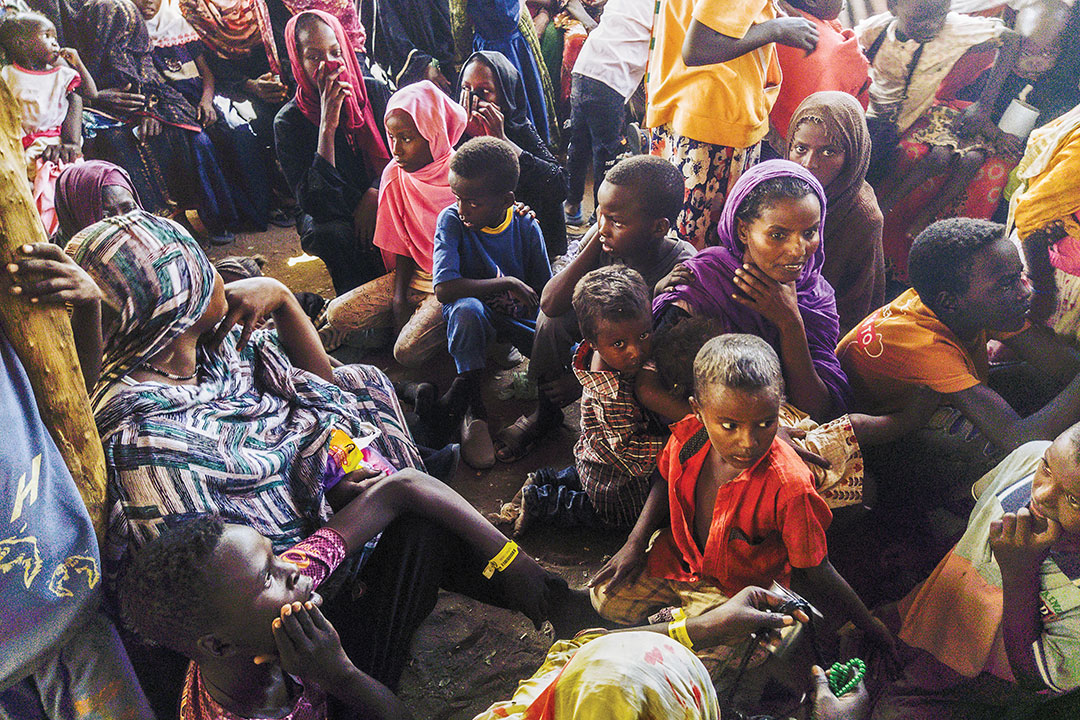
Death toll estimates for Sudan vary widely, with the Global Conflict Tracker estimating that there have been as many as 150,000 drone-related fatalities. More than 14 million have been forced from their homes, giving rise to the worst displacement crisis in the world. The U.N. says the country, as of mid-2025, also was in the midst of the “world’s largest hunger crisis.”
The U.N., responding to civilian deaths and maiming by drones, particularly in Ukraine and Sudan, says combatants are violating basic principles of human decency. “International humanitarian law must be respected,” said U.N. Emergency Relief Coordinator Tom Fletcher in May 2025. “Constant care must be taken to spare civilians and civilian infrastructure.”
Geneva Conventions
International rules have been in place for 75 years to protect civilians from the reckless use of weapons and tactics. The Geneva Conventions, a series of treaties established in 1949, form the core of international humanitarian law to protect civilians and combatants during armed conflicts. The conventions include rules to ensure humane treatment of civilians and protect them from violence, torture and collective punishment.
Article 51 specifically states that, in warfare, the civilian population and individual civilians “shall enjoy general protection against dangers arising from military operations.” The treaty bans acts or threats of violence aimed at spreading terror among the civilian population. It also bans indiscriminate attacks, including those that are not directed at a specific military objective. The ban includes attacks “that are of a nature to strike military objectives and civilians or civilian objects without distinction.”
Although the treaty recognizes the realities of civilian losses in warfare, it forbids attacks that might be expected to kill or injure civilians and damage property, “which would be excessive in relation to the concrete and direct military advantage anticipated.” It also bans reprisal attacks against civilians.
The treaty notes that civilians cannot be used “to render certain points or areas immune from military operations,” or to shield military objectives from attacks.
A New Element in Warfare
Artificial intelligence is adding critical complications to the use of armed drones. The U.N. has described AI-equipped weapons as “‘killer robots,’ raining down death from the skies, deciding for themselves who they should attack.” Izumi Nakamitsu, head of the U.N. Office for Disarmament Affairs, says the use of such machines with “fully delegated power,” capable of making decisions to take human life, is “just simply morally repugnant” and should be banned by international law.
Human Rights Watch has said that the use of autonomous weapons is the latest, most serious example of “digital dehumanisation,” with AI making “life-altering decisions on matters affecting humans, such as policing, law enforcement and border control.”
“It’s very easy for machines to mistake human targets,” said Mary Wareham of Human Rights Watch, as reported by the U.N. “People with disabilities are at particular risk because of the way they move. Their wheelchairs can be mistaken for weapons. There’s also concern that facial recognition technology and other biometric measurements are unable to correctly identify people with different skin tones. The AI is still flawed and it brings with it the biases of the people who programmed those systems.”
Report: Protect Civilians
Death on Delivery outlined the effects armed drones have on civilians throughout the world. The report concluded with six recommendations to prevent their misuse. Although the report was written for the United Kingdom, its recommendations apply to any country dealing with armed drones:
Countries selling drones — the report specifically mentions China, Iran and Turkey — should conduct fact-based investigations into the civilian harm that has arisen from the sale of their drone systems and make the findings public.
Countries exporting drones capable of being armed should reaffirm their commitment to the protection of civilians in armed conflict and “undertake much more rigorous assessments” of the likelihood of civilian harm. Where there has been a history of civilian violations, exports should stop, the report says.
The international community must quickly develop and implement “a new international control regime” that focuses on preventing harm from the proliferation of drone systems.
Countries should work with other countries, nonprofit groups and victims’ groups to establish strong international controls on the transfer and use of armed drones.
Governments should assert the need for transparency, oversight and accountability in the use of armed drones by all countries, which should include recording casualties and helping victims.
Countries should explicitly condemn extrajudicial killings using drones and affirm the applicability of international law, including the U.N. Charter, international humanitarian law and international human rights law.
The growing use of drones by terrorists and other armed nonstate actors in Africa indicates that the technological advantage that governments normally hold is being increasingly challenged, reports Nate Allen of the Africa Center.
“The weaponization of more widely accessible commercial drones may further benefit armed nonstate actors,” he said in an April 2025 report. “To respond, African security forces will urgently need to adopt counter-drone capabilities.” The proliferation of drones requires that African governments “develop a more complex understanding of the risks and limitations of using armed drones and adapt their doctrine accordingly,” he wrote. “Drones are establishing themselves as the 21st century’s defining military system. Managing the rapid proliferation of unmanned systems, however, will require sound strategic decisions on the part of human beings.”
In a 2023 report, professor Christian Enemark of the University of Southampton in the U.K. said that although armed drones “are not inherently evil weapon systems,” their use raises broader problems, including unjust decisions to resort to violence in international affairs, indiscriminate methods of warfighting and inadequate human control over the operations.
Enemark listed five principles for the use of drones, beginning with a restriction that they should only be deployed in combination with ground-based military personnel, inhabited maritime vessels and/or inhabited aircraft. This principle, called “Combined Arms,” is to prevent countries with drones “from resorting to violence too frequently.” He added that armed drones should only be used to protect people “facing an immediate threat of serious harm.” His principles include keeping all drone use under “meaningful human control,” and making sure there is public disclosure of where, why and how armed drones are used. He also said operators should have a right to “reasonably refuse” to use their drones as weapons.
“A drone-using state’s commitment to follow international laws of war (for example, the law against targeting civilians) is only a minimal commitment to ‘do the right thing,’” Enemark wrote. “From a moral perspective, it would be better to go beyond that. To address longstanding public concerns fully, users of armed drones should hold themselves to a higher standard: to exercise a greater degree of restraint with respect to what is presently required by law.”