

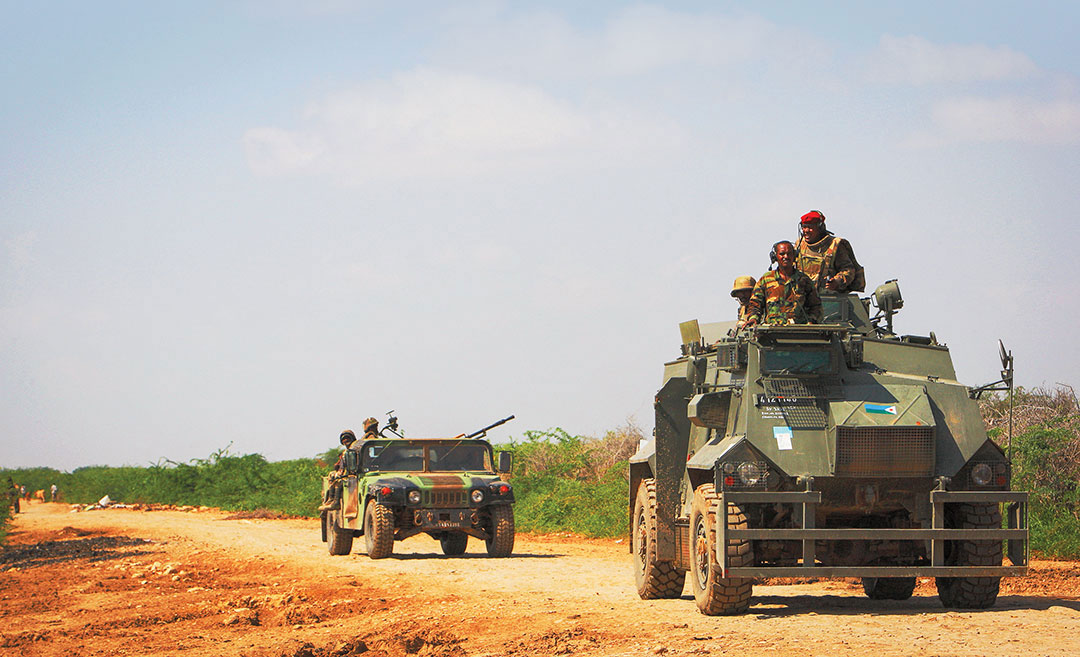
The African Union Mission in Somalia (AMISOM) lasted 16 years and was one of the most ambitious peacekeeping efforts in the AU’s history. With six troop-contributing countries and a force of about 20,000, its mission was to defeat the terror group al-Shabaab and hand over full security responsibilities to the Somali National Army.
Today, the mission continues under the banner of the AU Support and Stabilization Mission in Somalia (AUSSOM), which intends to exit the country by the end of 2029.
Although al-Shabaab is weakened and does not hold the expansive terrain it once did, it remains a stubborn insurgency capable of ambushing security forces and launching attacks against civilian targets. With an estimated 7,000 to 12,000 fighters, it continues to finance its operations through illicit trafficking and by forcing people to pay taxes in areas it controls. Al-Shabaab’s links with Houthi rebels in Yemen give fighters access to advanced bomb-making material and weaponry such as drones.
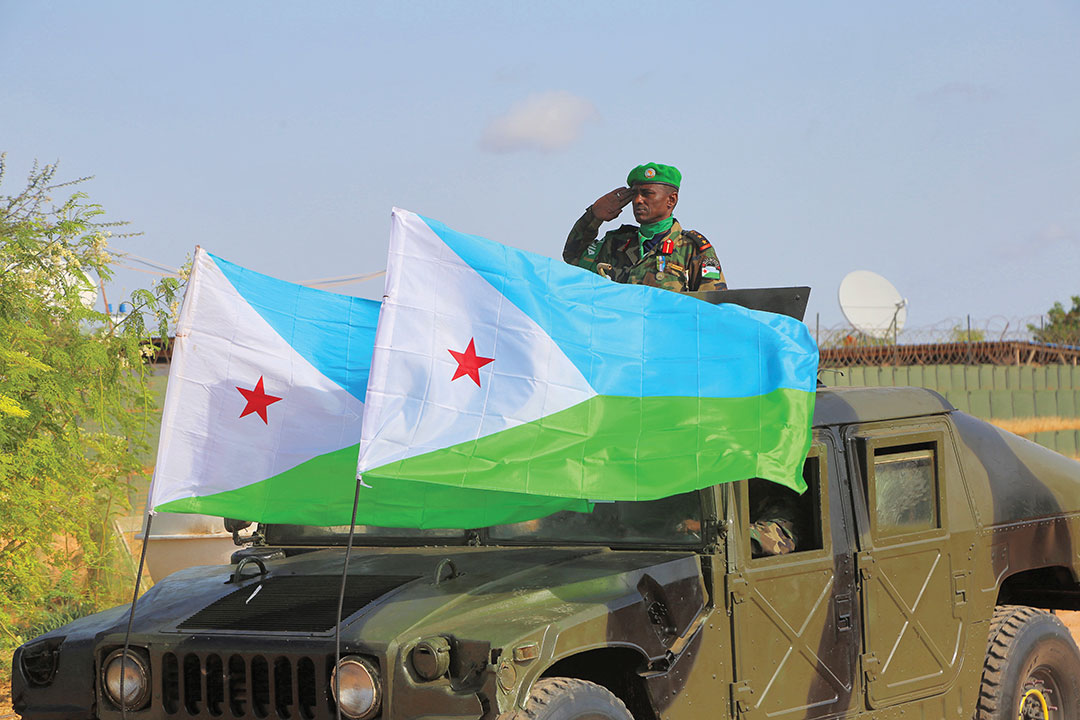
I served as a liaison and movement control officer with the Djiboutian contingent from 2014 to 2015. I had a firsthand view of the challenges facing AMISOM in subduing al-Shabaab.
During my deployment, my logistic and combat support movement control unit was tasked with supporting the Djiboutian battalion securing the city of Beledweyne and its population of 55,000 in central Somalia, in what was then called Sector 4. It continues to be a hotly contested area and the site of numerous al-Shabaab attacks. After six months, our unit moved to Jalalaqsi in south-central Hiran province to provide relief in place for Burundian troops and also to prevent al-Shabaab from controlling the rural areas in this sector.
Lessons learned during my deployment can provide actionable solutions to help commanders, officers and Soldiers to model successes and avoid mistakes in future peacekeeping rotations.
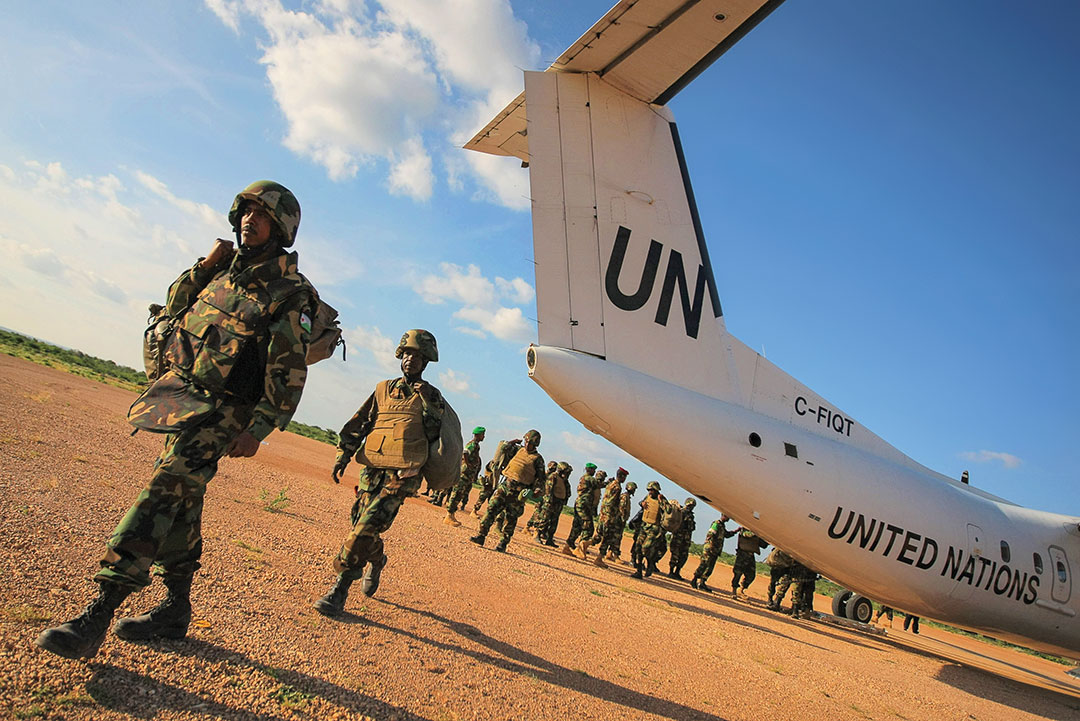
Build in Rest and Recovery Time
Experts say rested Soldiers perform better in training and combat. An often overlooked, yet vital, operational consideration is the rest and recovery of a unit conducting predeployment training. All AMISOM/AUSSOM troop-contributing countries must meet fitness, mental health, weapons and equipment skill standards as outlined in the U.N. predeployment training program.
The amount of new information, stringent training standards, tight timelines, time away from families and long training days makes this a stressful time. Some commanders and training officers, while well-intentioned, seek to implement their own requirements over and above the U.N. standards, thereby further exhausting already fatigued Soldiers. While seeking to “exceed the standard” is laudable and some would argue in the DNA of commanding officers, neglecting to build in ample rest and recovery time risks burning out Soldiers before they even begin their peacekeeping deployment to Somalia.
This was the situation with my deployment. After a rigorous and nonstop pace of training, we suddenly received a warning order to depart Djibouti and deploy to Somalia. Peacekeeping missions in high threat environments demand stamina, endurance and sharp mental focus. When we were ordered to move, the unit was tired, and it put our battalion at risk. If we hadn’t received timely support from friendly forces already in the country, the entire operation could have ended in disaster.
The unit struggled with Soldier burnout throughout our 24-month deployment. Repeated exposure to stressful and traumatic events gradually wore us down. Soldier morale dramatically declined, and eventually, some troops began to mentally check out, losing focus, and further endangering the mission and their fellow Soldiers.
Commanders and training officers need to fully consider the cost of Soldier burnout during predeployment training and work to ensure that adequate rest and recovery periods are built into the training calendar. After all, peacekeeping is a marathon and not a sprint. Backward planning a full rest cycle from the deployment date, and interspersing regular rest cycles between training, ensures that all Soldiers are in “mission-ready” mode for when they step on the ground in their host peacekeeping country.
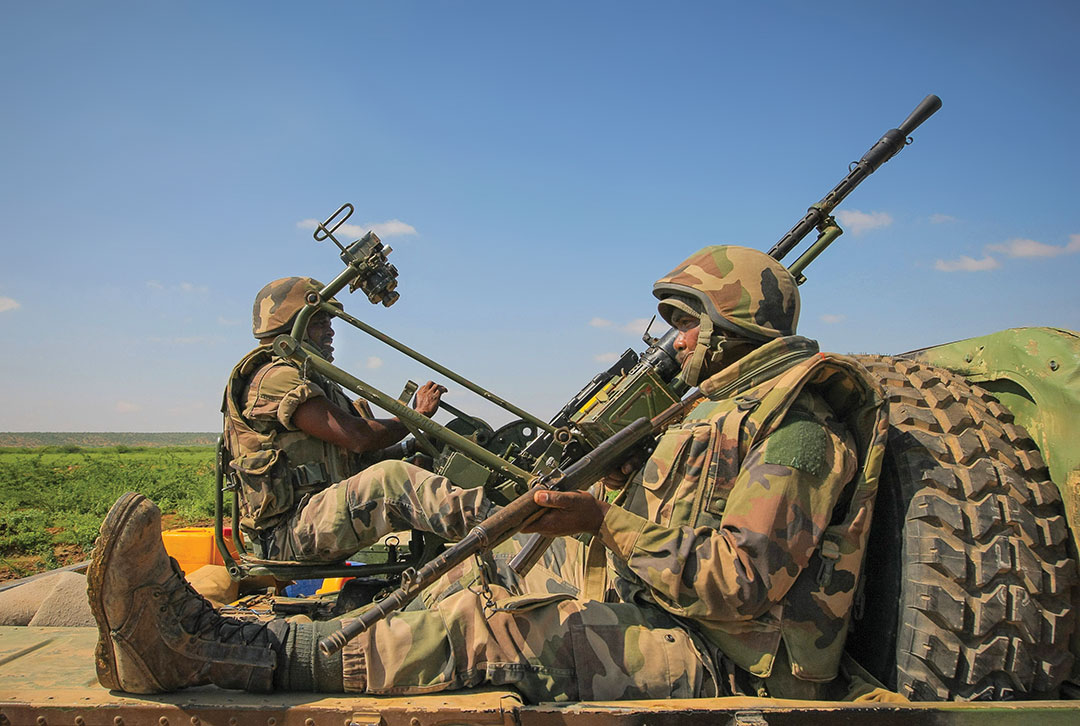
Prioritize Logistics and Leadership
After six months of adapting to the terrain in Beledweyne, we received the operation plan to move the battalion 182 kilometers south to our designated area of responsibility. I was the movement control officer tasked with the relocation.
Moving personnel, food, ammunition, construction materials and heavy equipment was a complex task, especially for a junior officer. During the preparation phase, I consulted experienced officers and studied United States and United Nations logistics doctrines. Despite all the planning, things did not go as expected.
While transporting tanks on flatbed trucks, an inexperienced driver moving at high speed caused a T-72 tank to slip off and become stuck. I immediately contacted the head of logistics, and after extensive discussion, we decided to use a bulldozer to reposition the tank properly on the transport vehicle. The situation was highly tense with the entire convoy stationary and exposed, and there was fear we could fall victim to an attack.
The incident taught me to always be sure that proper guidance and safety protocols are followed when transporting heavy equipment, and to make sure that inexperienced personnel have oversight when performing critical tasks. I also learned that speed of movement does not necessarily result in efficiency. A movement plan must include agreements on safe and consistent speeds.
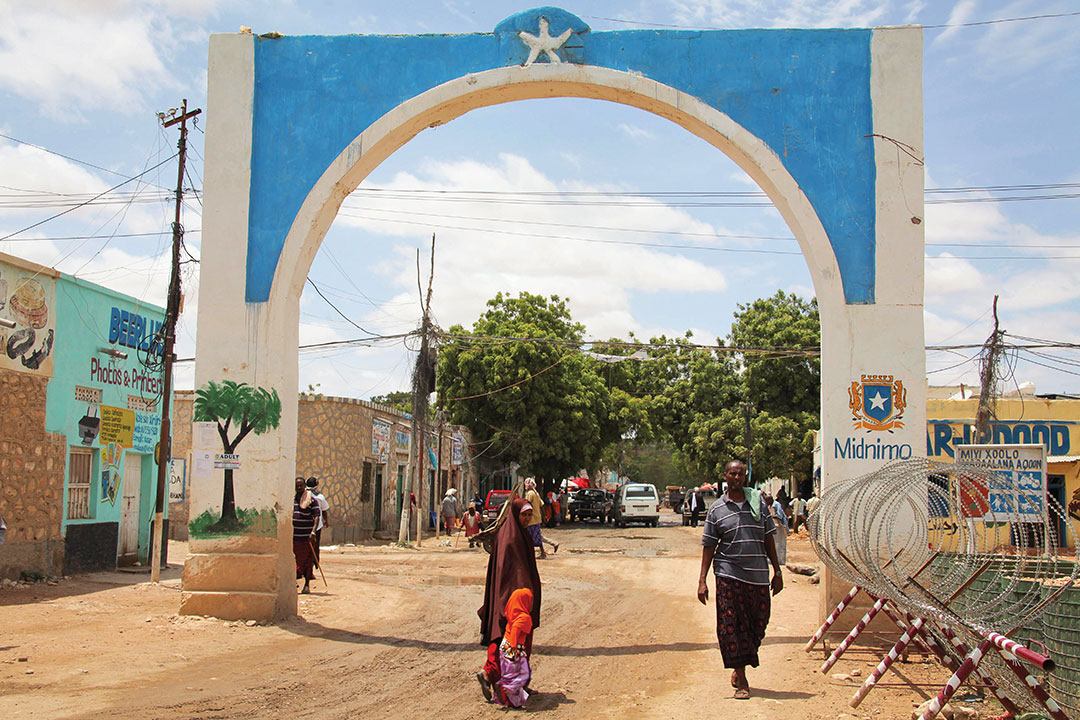
High-Risk Movements Require Constant Communication
During the relocation operation, our strategy was to move at a speed below 20 kph, protected by two layers of Soldiers surrounding the vehicles. This reduced the risk of ambushes, but the absence of aerial fire support posed a critical vulnerability, particularly in forested areas where al-Shabaab was known to hide. This vulnerability to attack persisted throughout the week during our relocation, as our convoy came under fire and was ambushed multiple times.
Amid the chaos of the ambushes, one Soldier became separated from his unit. It later was reported that he was seen in the village of Nuur Fanax, where civilians misled him when he asked for assistance. Subsequently, al-Shabaab fighters surrounded and killed him. They tried to use his body as a bargaining tool. Despite indirect communications with al-Shabaab, no agreement was reached to allow the return of the body.
In asymmetric operations, particularly in environments and missions with limited technological and logistical support, effective small-unit leadership, personal contact and constant communication are vital. Individual radios and tracking systems are essential for team leaders to maintain real-time accountability of their personnel during combat. This tragedy highlights the importance of equipping every Soldier with reliable communication tools and ensuring robust contact between fire team leaders and their members. It also underscores the need for well-practiced contingency plans for casualty recovery and balancing the moral obligation to bring home our fallen Soldiers with the need to avoid further losses.
Deception Can Draw Soldiers Into an Ambush
Before noon one day during the convoy movement, the Djiboutian battalion seized control of Garasyaani, a village 60 kilometers south of Beledweyne. After neutralizing all remaining resistance within the town, Soldiers began establishing key checkpoints at the main entry and exit routes.
We deployed armored personnel carriers to block roads and control movement. About one hour after the clearing operation, an elderly man approached a group of officers, including me. He appeared exhausted and distressed. He claimed that one of our Soldiers had assaulted his daughter. In response, our leadership team, along with a police officer and a female Soldier assigned to handle such sensitive cases, traveled to a house in a corner of the town to investigate the allegation.
AMISOM
Upon arrival, we began our preliminary investigation and quickly found inconsistencies suggesting that the claim was false. Suddenly, we were ambushed by gunfire from al-Shabaab fighters. By returning fire and relying on our training, we managed to withdraw from the trap, push the enemy back, reposition our team and conduct a counterattack. To this day, I remain doubtful of the authenticity of the initial report. Nevertheless, we resolved the situation by offering compensation to the family.
The incident revealed important lessons. The experience taught me to never accept unverified claims, even those involving moral or emotional appeals. It is important to always investigate the claims thoroughly while maintaining vigilance and caution. It also was a reminder that insurgents do not follow conventional rules of engagement, and peacekeepers must expect the unexpected.
Supply Routes Are a Lifeline
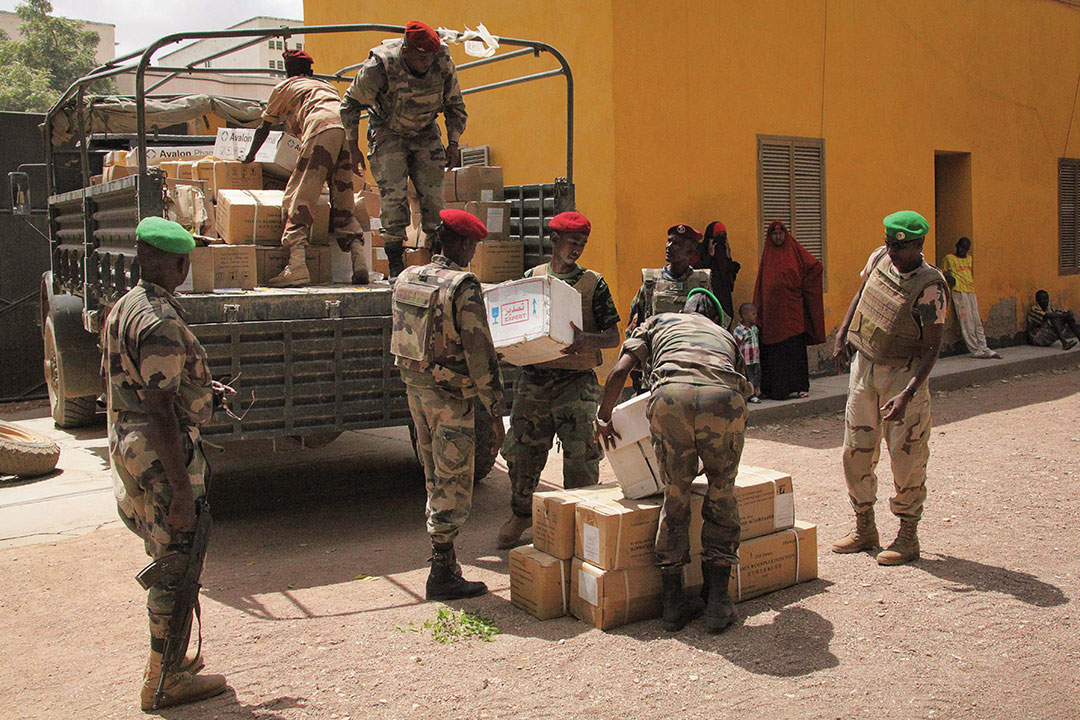
By the time we arrived in Somalia, al-Shabaab had been pushed out of most major urban centers. This led the group to shift its tactics to disrupting logistics by attacking supply routes that were essential for bringing provisions to peacekeepers and keeping the country’s economy moving. The U.N. responded by initiating an airlift operations campaign to deliver food and fuel to more than 20,000 peacekeepers.
An unintended consequence of this U.N. initiative was a dramatically increased operational cost and reduced availability of air assets for other critical missions such as medical evacuations, reconnaissance or tactical operations. The ceding of our ground logistics capability to al-Shabaab also resulted in the civilian population paying a tax directly to the terror group, so that goods and services could continue to move along the roadways. This situation ultimately undermined the authority of the AMISOM mission and local Somali governance.
Despite having sufficient troops on the ground from the peacekeepers and the Somali National Army (SNA), securing main routes remained a challenge. To prevent ceding the ground to the terrorists, and to help spread security into pockets of enemy-held territory, building smaller forward operating bases (FOBs), particularly along the main service roads, is recommended. Small patrols could be conducted, and more contact with local populations established, to help the SNA secure the country. These smaller FOBs, say of company-sized forces, also could help respond to “troops in contact” actions from convoys traveling on the main supply route. Increasing the pressure on al-Shabaab by restricting its freedom of movement and ability to disrupt the economy are actions that will help separate the terror group from the civilian population and ultimately lead to its defeat.
Learn from Challenges, Improve Future Outcomes
Experience on the ground taught me hard, but essential, lessons. Many problems could be avoided by managing troop morale and energy levels during predeployment.
Providing adequate time for Soldiers to rest and recover before deployment is crucial. At least 50% of preparation time should be dedicated to developing a concrete and executable deployment plan.
Predeployment training needs to emphasize small unit leadership that includes accounting for and taking care of Soldiers. Rehearsing battle drills for vehicle recovery, responding to ambushes and scenario-based civilian interactions should be a priority for peacekeeping forces deploying to dangerous missions. Moreover, commanders and staff officers must work to build a stabilization strategy with the local population to ensure their safety, security and prosperity.
Although some leaders prefer central planning and command, I believe it is vital that battalion leaders on the ground have full authority to plan and execute the mission for their sector, as long as their actions align with the mission’s overall objectives. During high-tempo operations, leaders at all levels, from fire team leader to the battalion commander, must maintain accountability through regular head counts and team oversight. Simultaneously, every peacekeeper must uphold discipline and comply with standard operating procedures expected of professional Soldiers.
Success in combat is not only about fighting and liberating towns and territories. Commanders also must possess a clear and structured vision for the stabilization phase, including counterinsurgency operations, communication and support to the civilian population. This includes plans to keep major roads open and secure so peaceful economic activity can flourish.
Following these principles and implementing these lessons learned into predeployment training can save lives and improve overall mission outcomes.
About the author: Abdisalam Osman Musa is a Djiboutian mechanical engineer and a former logistics officer who served in the U.N. Support Office in Somalia. As a lieutenant, he was a liaison and movement control officer for the Djiboutian contingent of the African Union Mission in Somalia from 2014 to 2015. Today, he works as an engineer and manages projects throughout the Horn of Africa.
A Shift in Peacekeeping
As United Nations Missions Decline, Regional Efforts Hope to Learn From Past Mistakes
Africa’s international peacekeeping landscape has evolved in the past decade. Since 2015, there has been a steady shift away from large multinational United Nations missions and growth in the number of interventions led by the African Union, regional economic blocs and other alliances.
A decade ago, there were nine large U.N. peacekeeping missions in Africa. By July 2025, there were only five, with the largest, the U.N. Organization Stabilization Mission in the Democratic Republic of the Congo, set to end in December 2025.
U.N. missions cannot operate without consent from host nations and parties to conflicts. But they often see that permission erode due to perceived ineffectiveness in preventing violence against civilians, the spread of false information and other security concerns, according to “Host-Country Consent in UN Peacekeeping,” a 2023 Stimson Center paper by Julie Gregory and Lisa Sharland.
U.N. missions deploy under three core peacekeeping principles: consent of the parties, impartiality, and the commitment to use force only in self-defense and to defend the mission mandate.
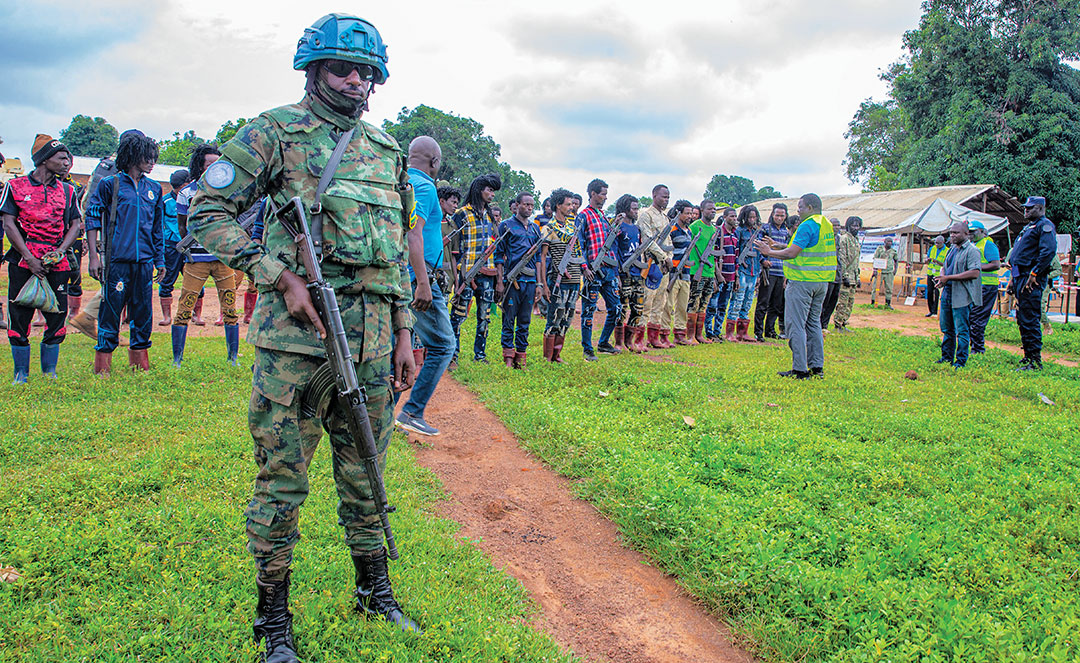
The U.N. mission in Mali, known as MINUSMA, ended after 10 years in December 2023 at the request of the host country’s ruling junta. Ultimately, the mission failed to reverse attacks and gains by an array of terrorist groups. It suffered from a shifting and expanding mandate during its lifespan and had a range of international troop contributors, many of whom had language barriers and no knowledge of local dynamics.
African-led peace support operations, as they are known, can avoid neocolonial criticism and often deploy faster with more flexible mandates that allow troops to better address cross-border threats. However, like U.N. missions, funding, resources and relations with locals still pose challenges. Such has been the case with Southern African Development Community missions in the DRC and Mozambique.
Nate Allen, associate professor at the Africa Center for Strategic Studies, wrote in August 2023 that the AU and regional economic communities (RECs) should adopt standards for responding to cross-border security challenges. This could include the AU providing guidance and coordination to African Standby Forces through intelligence-sharing centers, and “mechanisms to command, conduct, and operationalize joint operations targeting specific groups.”
The AU and RECs also should better train African troops serving in peace operations on human rights, the laws of armed conflict, and avoiding and preventing civilian harm, he wrote. They also should ensure “that the military components of African-led peace operations are integrated into efforts by civilian agencies, local leaders, humanitarian actors, and the international community to address the underlying causes of conflict through development assistance, humanitarian relief, and locally led peace initiatives.”
African-led operations will need more money and resources to be truly effective. Short-term efforts could include U.N. peacekeeping funds to support African operations until such time that the AU meets its own funding targets, Allen wrote.