
Mozambique’s leadership is weighing creating a national defense fund to finance its military at a time when the government has cut back on direct defense spending.
One potential model for a Mozambican national defense fund is Turkey, which created its Defense Industry Support Fund in 2021 to supplement its military and defense sector. The government allocates a percentage of taxes to the fund. In 2024, the Turkish government proposed a system of levies on credit cards and other aspects of the economy intended to add $2 billion to the fund, which also receives income from the sale of military drones.
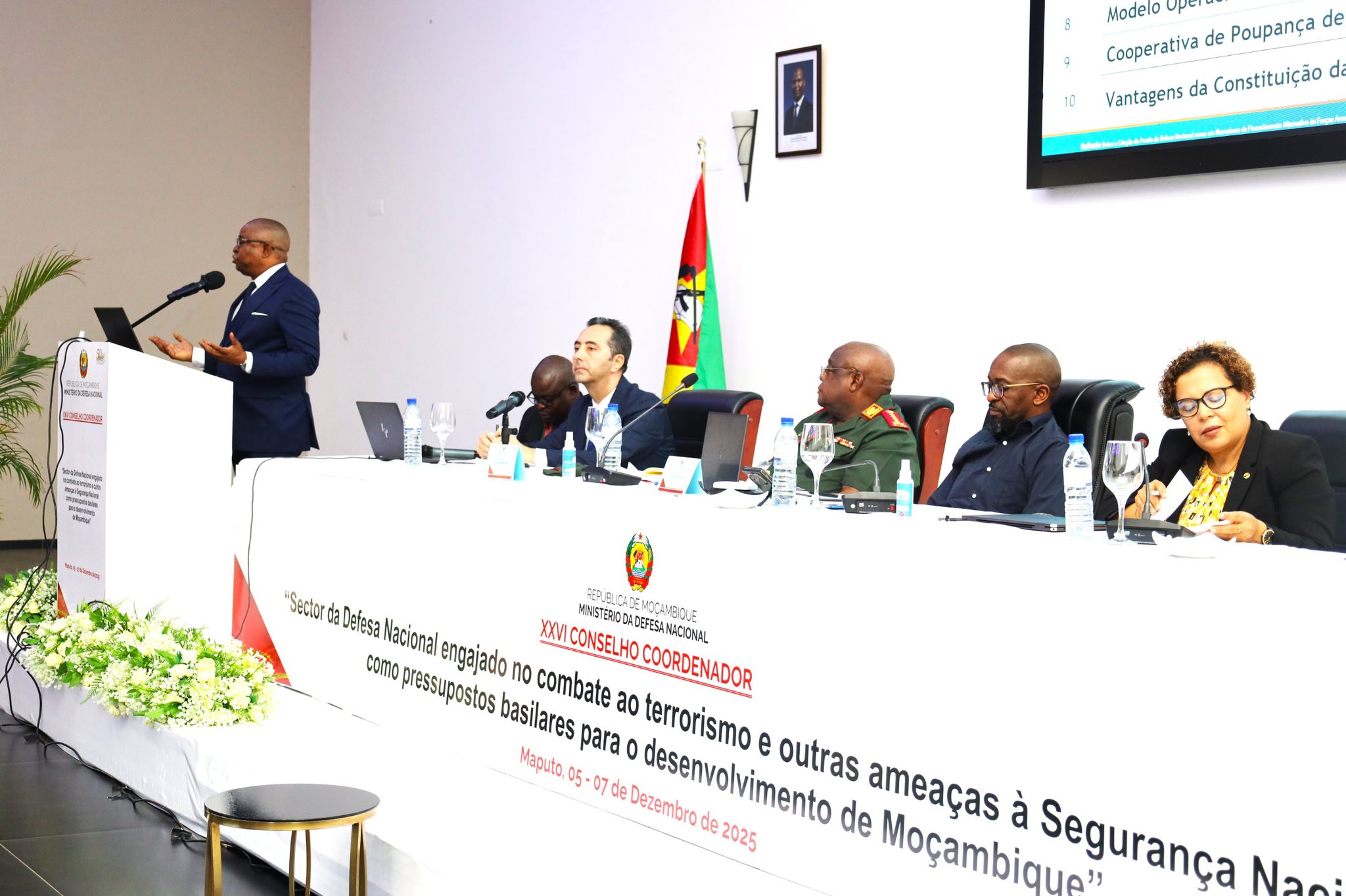
During a recent meeting of the Coordinating Council of Mozambique’s Ministry of National Defense, Tomás Matola, chairman of Mozambique’s Cahora Bassa Hydroelectric, suggested that his country should consider a similar strategy of bringing together funding from the national budget with donations, partnerships and other sources of revenue.
Mozambique has about 14,200 people serving in its military. After rising steadily between 2020 and 2024, the defense budget dropped from $491 million in 2024 to $321.6 million in 2025.
At the same time, the northern Cabo Delgado region experienced a resurgence of terrorist violence by groups affiliated with Islamic State. From June to December 2025, terrorists beheaded civilians, burned villages and drove more than 100,000 civilians from their homes.
“Many children lost their parents and fled on their own, sometimes following an adult that they didn’t even know,” Xavier Creach, a United Nations refugee agency representative in Mozambique, told The Associated Press at the end of 2025.
The United Nations recorded more than 520 attacks against civilians in Cabo Delgado in 2025, a record.
Those displaced thousands added to more than 1.3 million civilians who have fled their homes since extremist attacks began in Cabo Delgado in 2017.
In calling for a national defense fund, Matola said the lack of security prevents businesses from investing in Mozambique. Cabo Delgado is home to large natural gas deposits that Mozambique hopes to develop. France’s TotalEnergies established a processing facility in Cabo Delgado in 2018, but suspended operations in 2021 after terrorists attacked the city of Palma. In September 2025, the company announced it would support $10 million in economic investments as it made plans to restart the processing facility. The money would support job creation in agriculture, fishing, education, health, biodiversity and local commerce.
Ferhat Alkkan, Turkey’s ambassador to Mozambique, told the Coordination Council that Turkey created its national defense fund to support its own fight against terrorism.
Matola suggested that Mozambique could use its own national defense fund for more than boosting its military and defense industry. The fund could also be used to promote economic growth across industries such as agriculture, mining, housing and tourism, he said.
As Mozambican authorities look to boost their military spending, analyst Borges Nhamirre, writing for the Institute for Security Studies, called for them to increase dialogue in Cabo Delgado as well.
“Military interventions have delivered some measurable gains,” Nhamirre wrote. “Yet, these outcomes have not translated into a lasting decline in violence.”